
Last updated September 22, 2026
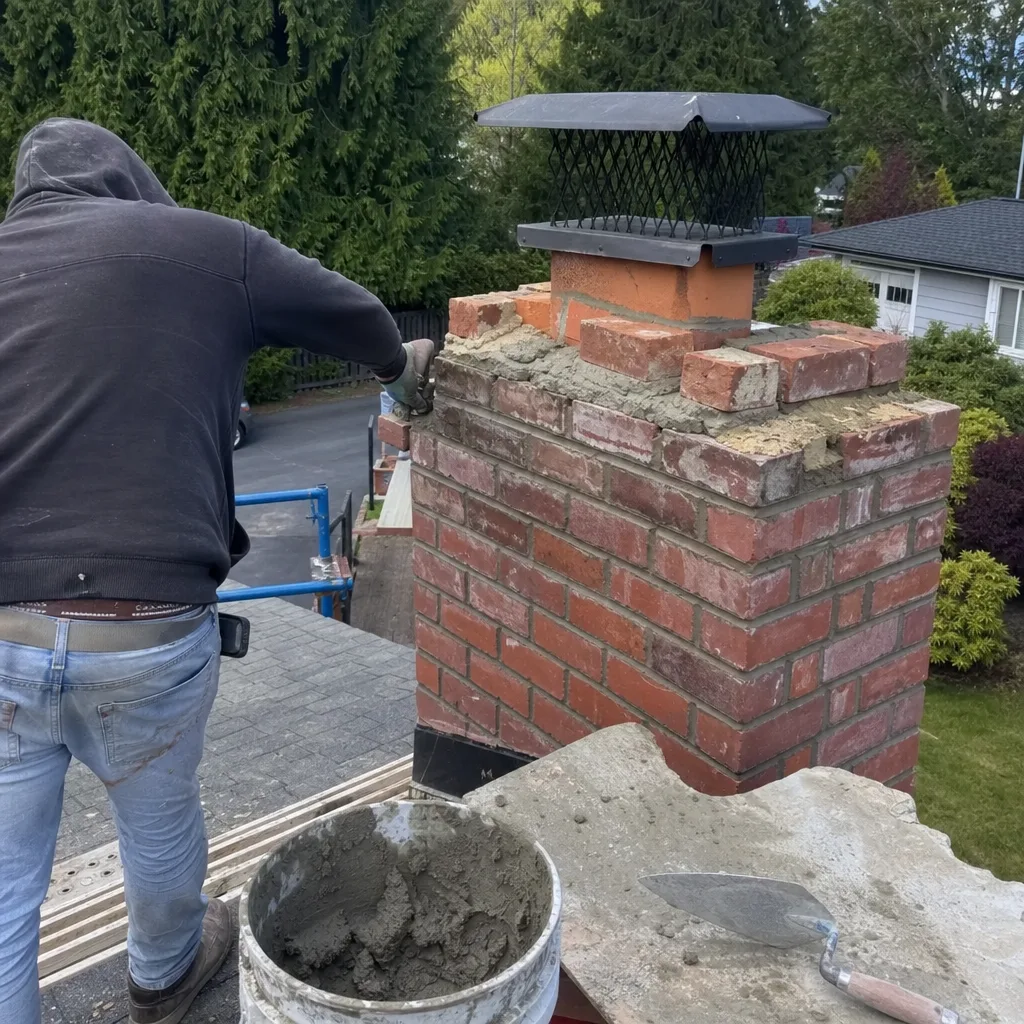
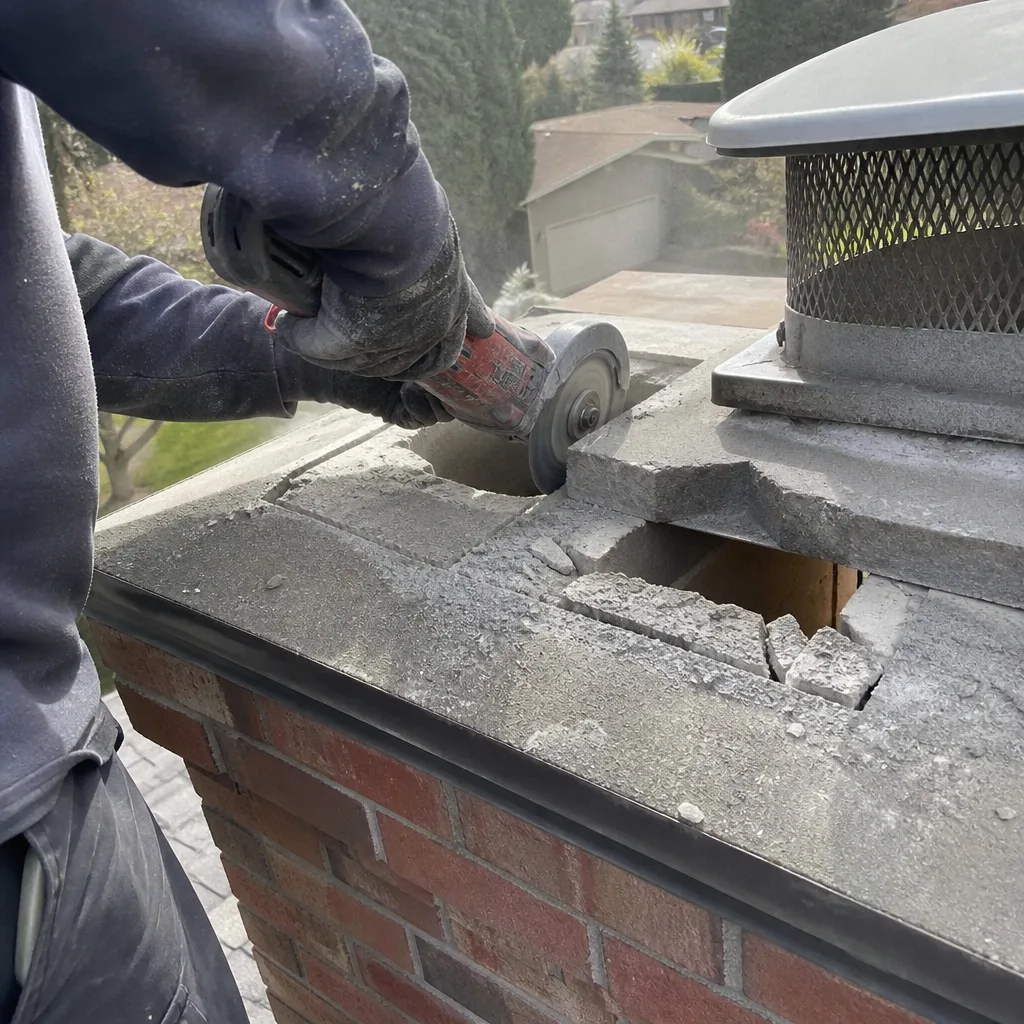
Level 1 sweep and inspection to the NFPA 211 annual standard - flue, crown, cap, and flashing checked and photographed
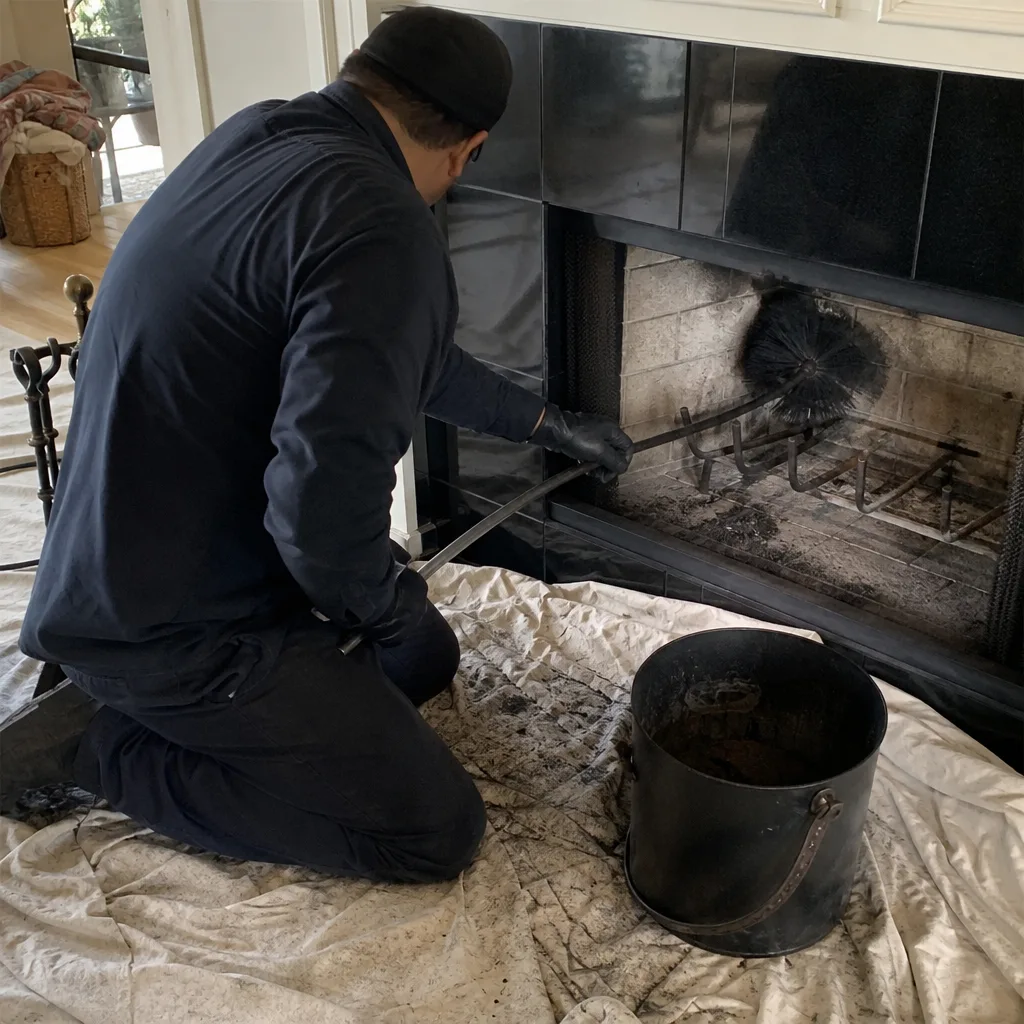
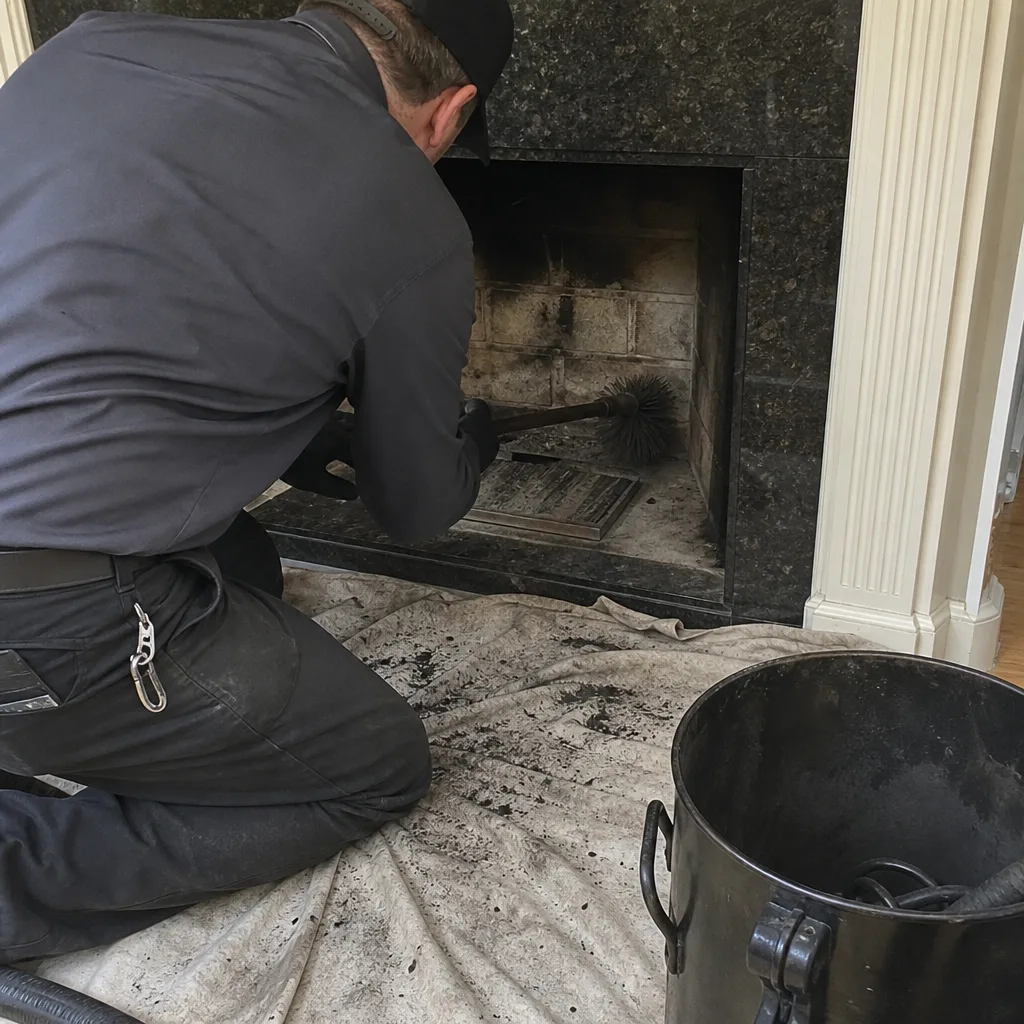
Chimney sweep logs do not sweep chimneys. They loosen some creosote - which then falls where a brush and vacuum still have to collect it.
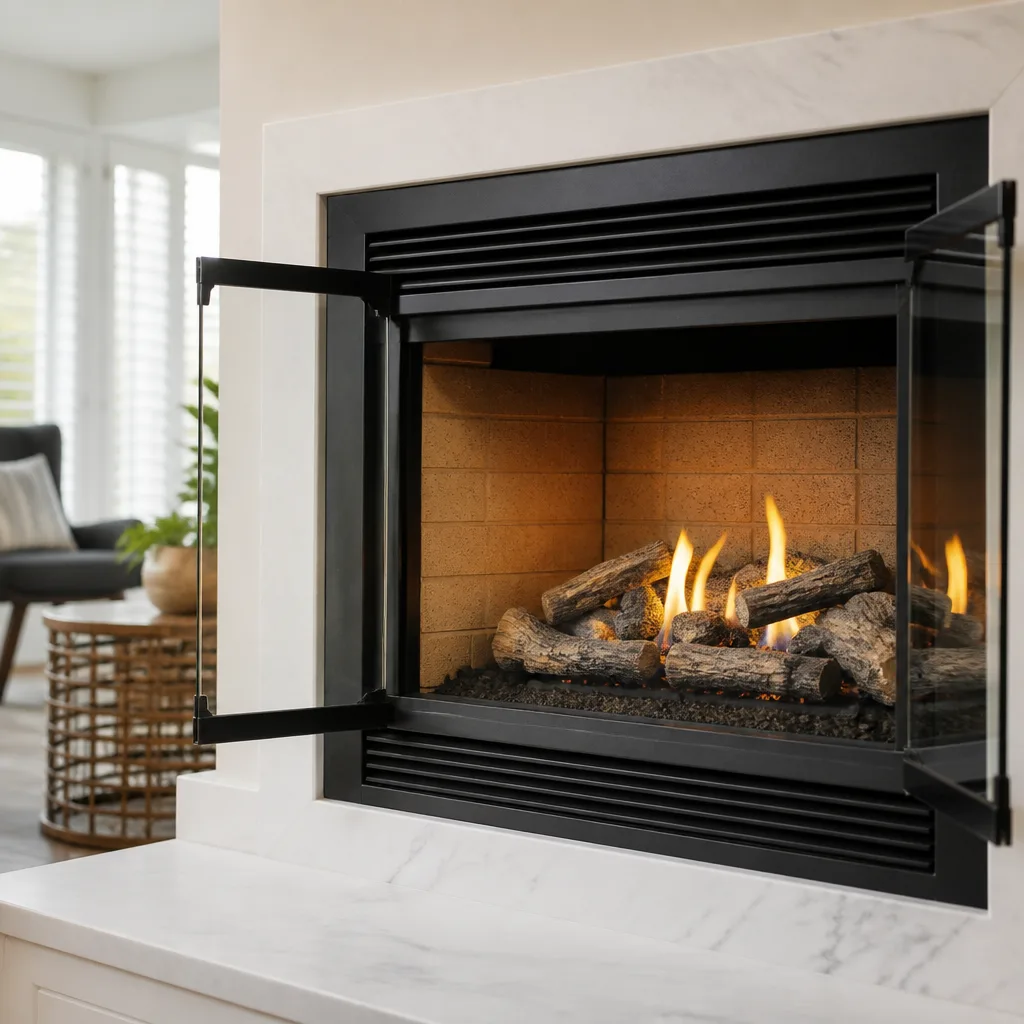
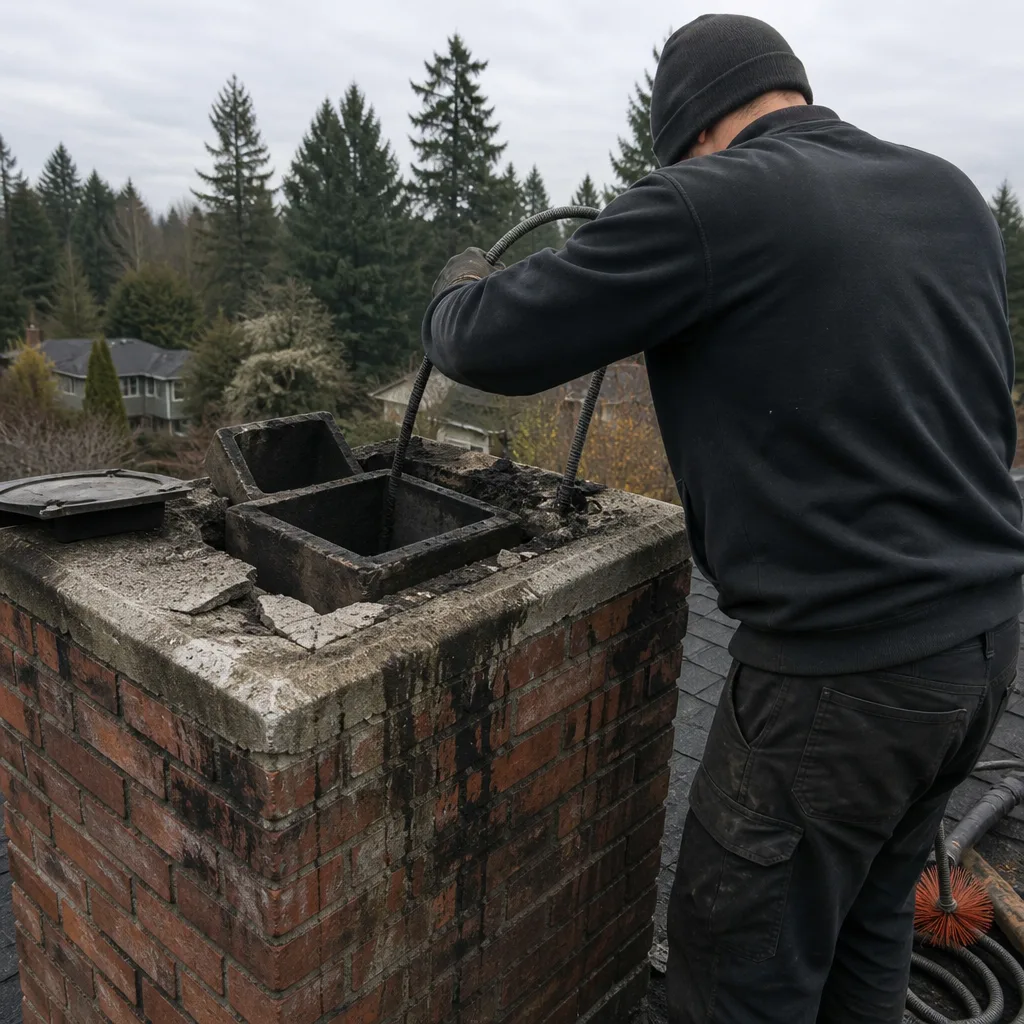 Before
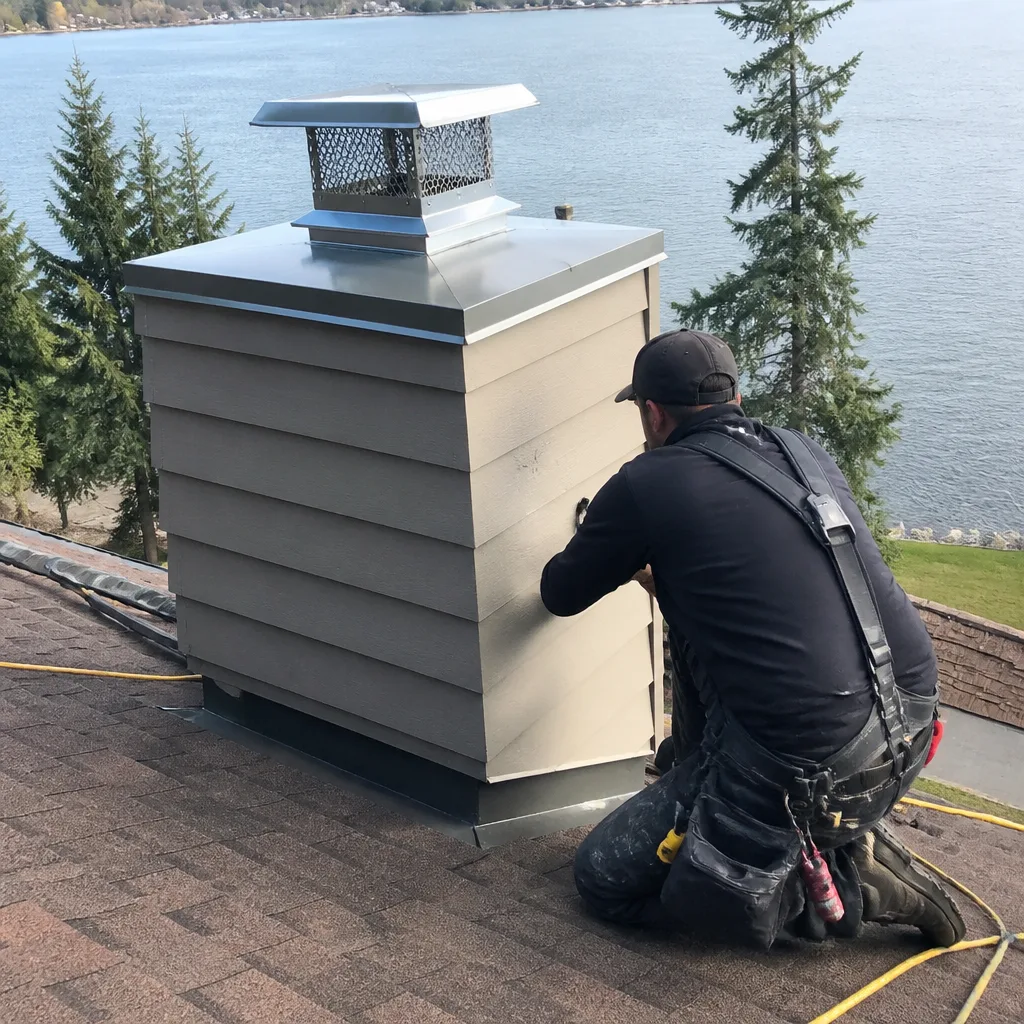 After
After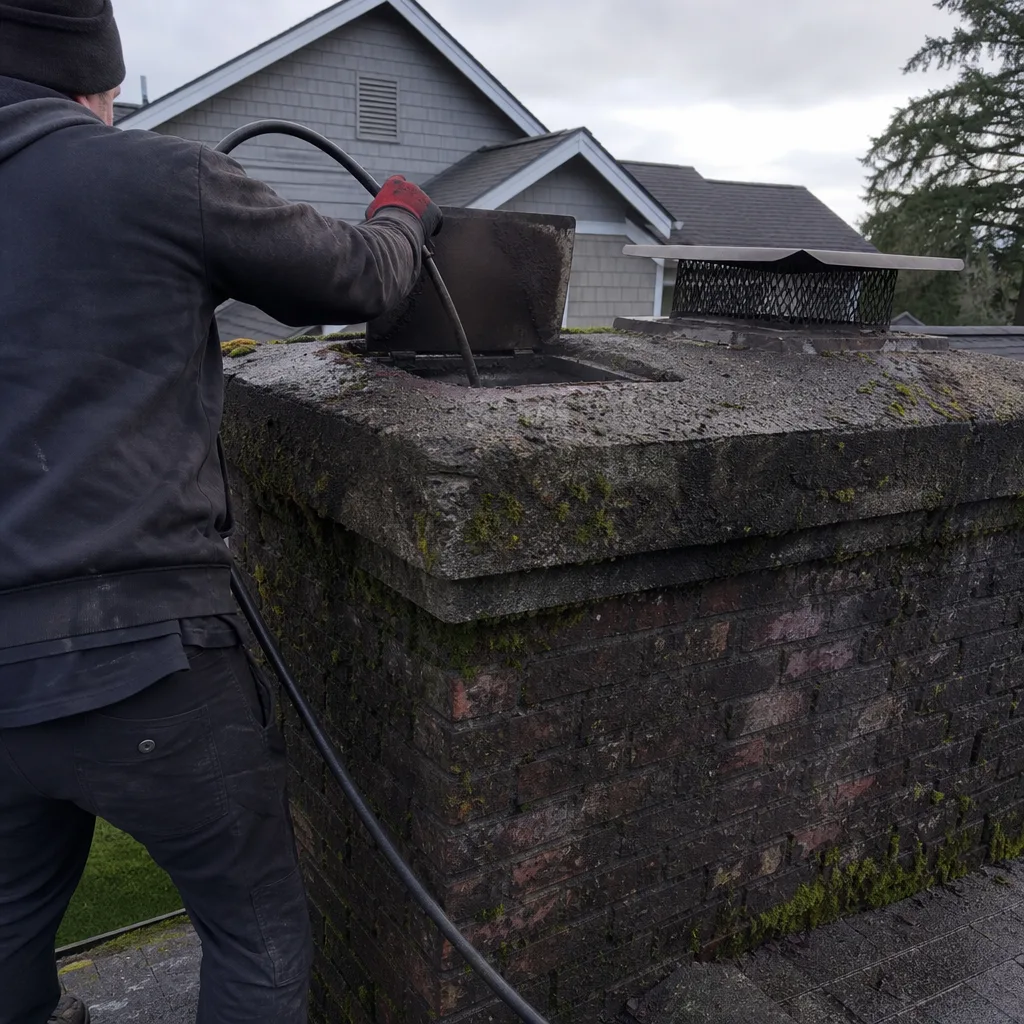 Before
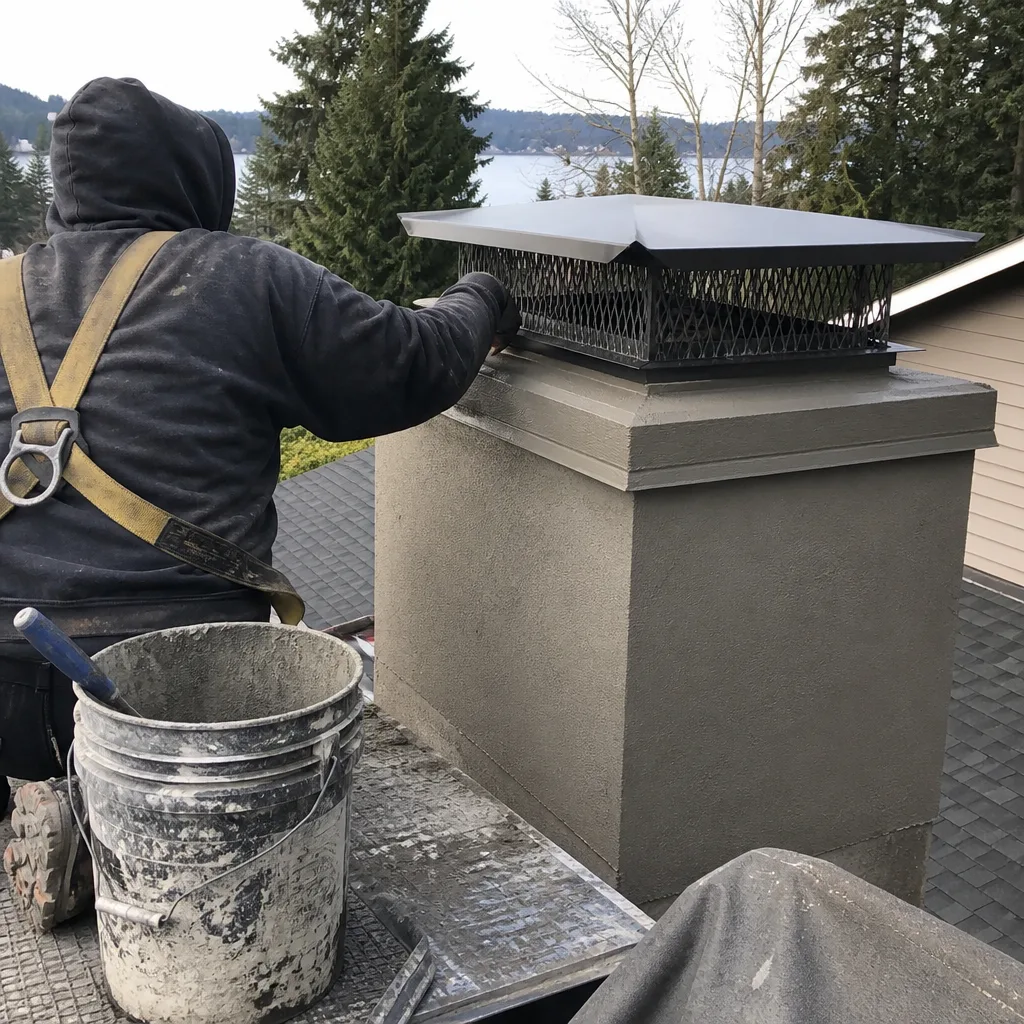 After
After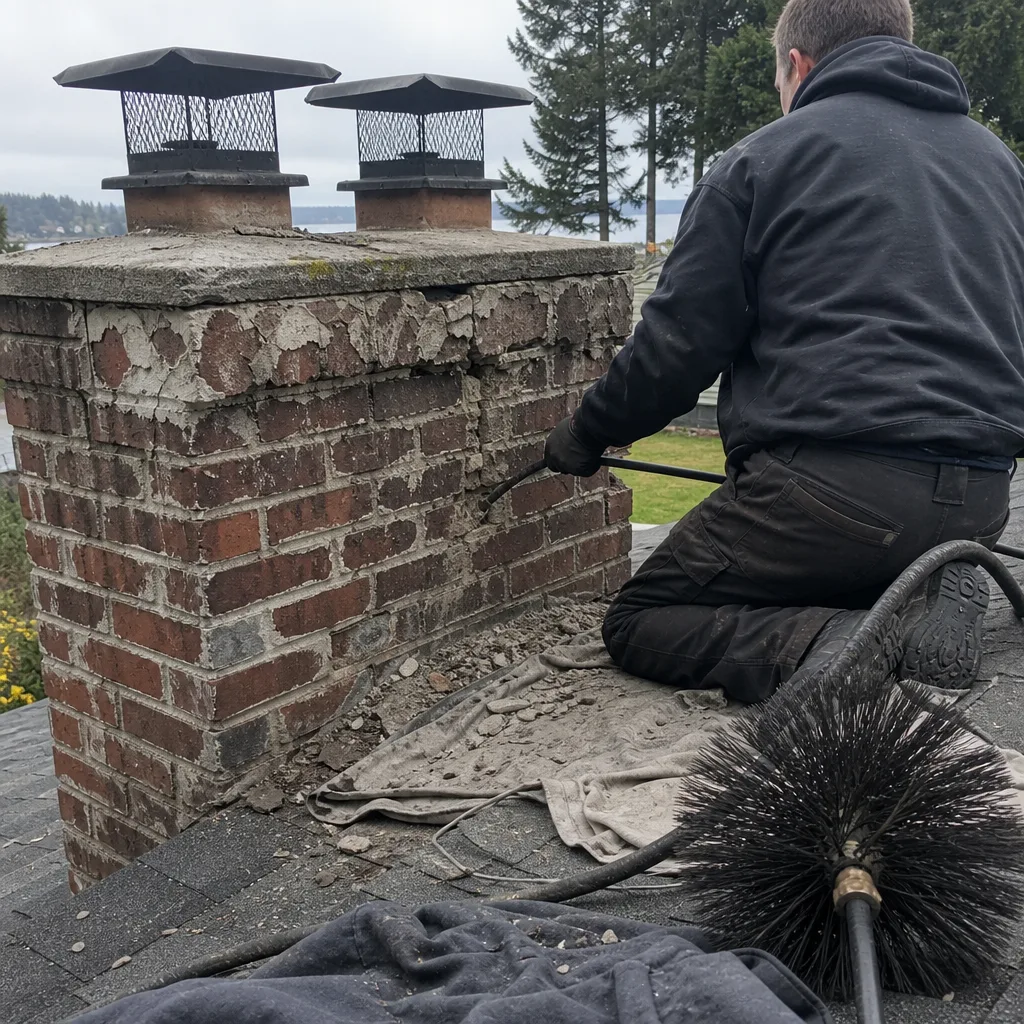 Before
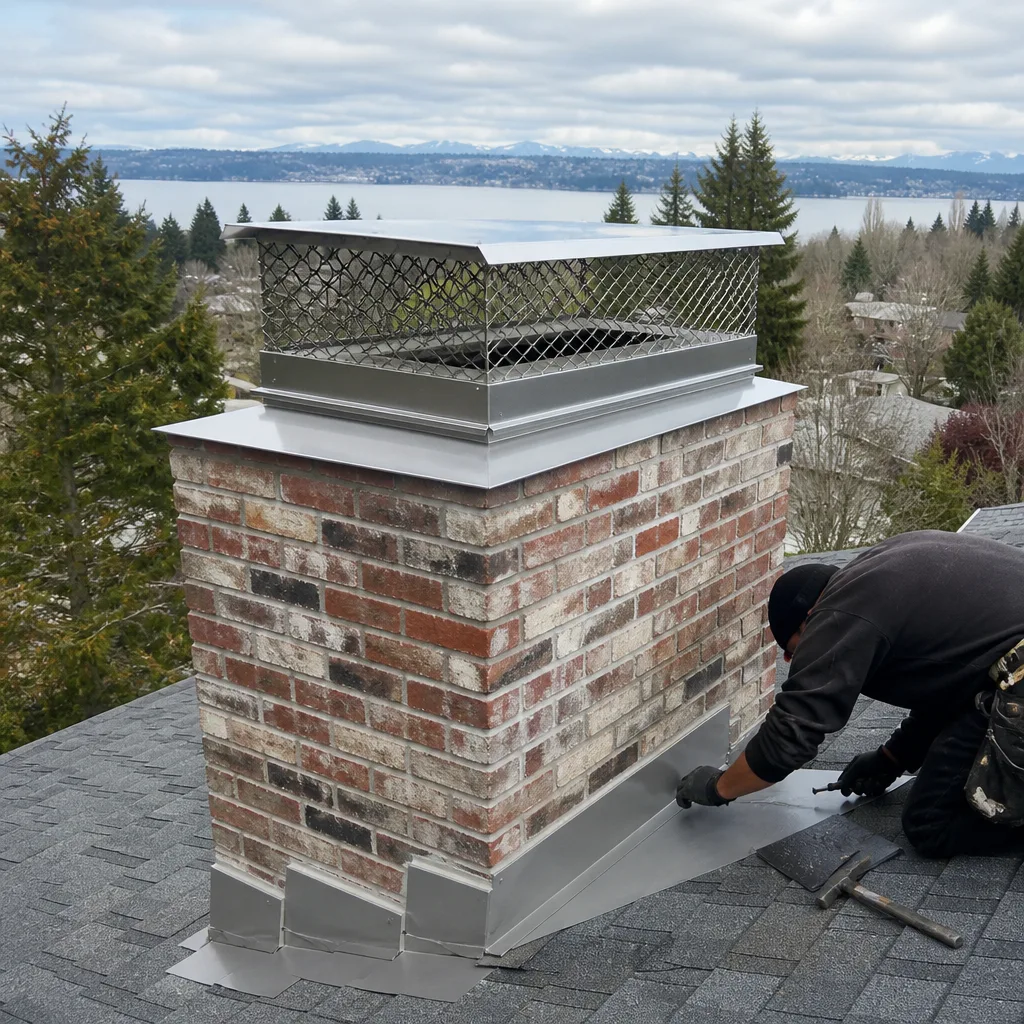 After
AfterHow to Hire a Chimney Cleaning Contractor in Bellevue: A Step-by-Step Guide
Washington State does not require a chimney sweep to hold a chimney-specific license. That single fact changes everything about how you hire in Bellevue. The credential gap between a company that inspects 38,000 flues with camera documentation and someone operating with a brush and a truck is invisible on the surface, and it only becomes visible when creosote is missed, a liner crack is overlooked, or a worker gets injured on your roof. In this guide, we’ll walk through the exact documents to request, the certifications that actually matter, the red flags specific to Bellevue’s contractor market, and how to read a quote so you know what you’re paying for before anyone sets foot on your property. For more guides & resources on chimney care, visit our blog.
Quick Answer
Hiring a chimney cleaning contractor in Bellevue means verifying three documents before booking (general liability insurance, workers’ compensation, and a written scope of work), confirming active CSIA or NFI certification, and insisting on a written price before any work begins. Because Washington has no dedicated chimney sweep license, these verification steps are your only structural protection.
Table of Contents
- Why the Bellevue Market Is Different
- The Three Documents to Request Before Booking
- CSIA, NFI, or No Credential: What Actually Matters
- Why a Written Price Before Work Starts Is a Contract, Not a Courtesy
- Red Flags Specific to Bellevue’s Contractor Market
- How to Evaluate a Chimney Cleaning Quote Line by Line
- What Happens During a Proper Chimney Cleaning Visit
- Common Mistakes to Avoid
- When to Call a Professional
- Frequently Asked Questions
- The Bottom Line
BeforeAfterWhy the Bellevue Market Is Different
Bellevue sits in a unique regulatory pocket. Washington State licenses general contractors through the Department of Labor and Industries, but chimney sweeping sits in a gap. A contractor can hold a valid general construction license, carry no chimney-specific training, and legally clean your flue. The state does not test for NFPA 211 knowledge, does not require camera inspection capability, and does not mandate continuing education in combustion safety or creosote evaluation. Homeowners should understand Chimney Cleaning Permits, Codes & Inspections in WA: What You Need to Know to fill this regulatory gap.
This matters more in Bellevue than in many markets because of what we burn and how we build. The Eastside’s mature neighborhoods, from West Bellevue to Lake Hills, contain thousands of fireplaces installed between 1965 and 1995, many with original clay flue liners now past their design life. The damp Pacific Northwest climate accelerates exterior masonry deterioration, particularly on chimneys lacking proper crown overhang or cricket flashing on steep-pitched roofs. And Bellevue’s recent construction boom has added modern gas inserts alongside legacy wood-burning systems, creating a mixed fleet that demands different cleaning protocols and inspection standards. Our Seasonal Chimney Cleaning Care for Bellevue: Year-Round Homeowner’s Guide covers how to maintain these varied systems through the year.
We’ve cleaned chimneys in Bridle Trails where the homeowner assumed their gas log set required no maintenance, only to find a blocked termination cap causing carbon monoxide recirculation. We’ve inspected homes in Newport Hills where a previous “sweep” never removed the damper assembly, missing spalling firebrick that threatened the smoke chamber integrity. These aren’t rare cases. They’re the predictable outcome of a market with no licensing gate.
The practical implication: in Bellevue, the homeowner becomes the regulator. You must know what to ask for, because no state agency will ask it for you.
The Three Documents to Request Before Booking
Any legitimate chimney cleaning contractor in Bellevue should provide these three documents without your having to ask twice. If they hesitate, deflect, or offer to “bring them on the day,” that’s your signal to end the conversation.
1. Certificate of General Liability Insurance
Request a certificate naming your address as the job site, with coverage minimums of $1 million per occurrence. This protects you if a technician damages your roof, falls through a ceiling, or causes a fire during service. The certificate should come directly from the insurance broker or carrier, not as a screenshot from the contractor’s phone. Verify the policy dates cover your scheduled appointment.
In our experience serving Bellevue since 2009, we’ve seen two claims in this market where uninsured contractors damaged roof flashing and disappeared. One homeowner in Factoria spent $4,200 out of pocket to repair water intrusion that resulted from a sweep who lacked proper coverage.
2. Certificate of Workers’ Compensation Insurance
Washington is a monopolistic workers’ comp state, meaning coverage flows through the Department of Labor and Industries. Ask for the contractor’s UBI number and verify it on the L&I website. If a worker is injured on your property and the contractor lacks coverage, your homeowner’s policy may become the primary payer. We’ve encountered “independent operators” in the Bellevue market who classify employees as 1099 contractors to evade premiums. That classification does not protect you.
3. Written Scope of Work
This document defines what will be done, what will be inspected, and what you’ll receive on completion. At minimum, it should specify: cleaning method (rotary vs. manual brushing), inspection level (Level 1 visual vs. Level 2 camera scan), areas to be documented (firebox, smoke chamber, flue liner, crown, exterior masonry), and deliverables (written report, photo record, repair recommendations with separate pricing).
Clause 1 of the Haven Standard requires a written price, written scope, and written warranty before any work begins. We adopted this practice in 2009 because verbal estimates in this industry consistently drift upward once the technician is in the home. A written scope is not courtesy. It’s a contractual boundary.
CSIA, NFI, or No Credential: What Actually Matters
Certification in chimney work comes from two primary bodies. Understanding what each certifies, and what it doesn’t, prevents you from overvaluing a credential or dismissing a lack of one.
CSIA Certified Chimney Sweep
The Chimney Safety Institute of America offers the most recognized credential in residential chimney work. Certification requires passing a comprehensive exam covering NFPA 211, IRC fireplace construction, combustion safety, and creosote evaluation. CSIA-certified sweeps must recertify every three years through continuing education or reexamination.
What CSIA certification does not guarantee: camera inspection capability, specific repair competency, or business ethics. A CSIA-certified sweep can still bundle services opaquely, upsell unnecessary repairs, or lack proper insurance. The credential establishes baseline technical knowledge. It does not replace your verification of the three documents above.
To verify current status: visit csia.org, navigate to the “Find a Certified Professional” directory, and search by name or company. The check takes under two minutes. We’ve found expired certifications listed on competitor websites in the Bellevue market more than once.
NFI Certification
The National Fireplace Institute certifies technicians in specific appliance types: woodburning, gas, and pellet. NFI certification is deeper on installation and troubleshooting of specific units, narrower on general chimney system evaluation. An NFI-certified gas specialist may excel at diagnosing a Heat-N-Glo insert but lack training in masonry evaluation or Class III creosote removal.
NFI certification matters most if your system is a factory-built fireplace or gas insert. For traditional masonry chimneys, CSIA is the more relevant credential. Some technicians hold both, which indicates broad competence.
No Credential
A contractor with no CSIA or NFI certification is not automatically disqualified, but the burden of proof shifts entirely to you. In this case, insist on documented experience: how many years in the trade, how many systems like yours serviced, and references from Bellevue-area homeowners with similar chimney types. Request photo documentation of previous work. Without certification, without insurance verification, and without references, there is no basis for trust.
We’ve hired technicians over the years who came to us without certification but with substantial field experience. We sponsored their CSIA training because the credential matters to homeowners, and because the structured curriculum fills gaps that informal training leaves. But we never sent an uncertified technician to a Bellevue home without direct supervision from a certified sweep.
Why a Written Price Before Work Starts Is a Contract, Not a Courtesy
The most common complaint we hear from Bellevue homeowners about previous chimney services involves price escalation. A phone quote of “$189 for a sweep” becomes $647 on-site after the technician “discovers” critical needs. This pattern is so prevalent that it has a name in the industry: the low-ball entry, high-pressure close.
A written price before work starts prevents this by establishing a fixed reference point. Here’s what legitimate upfront pricing looks like, and how to distinguish it from a disguised bait-and-switch.
What a Written Price Must Include
- Line-item breakdown of each service (cleaning, inspection, camera scan if separate)
- Clear statement of what conditions would trigger additional work
- Separate pricing for any recommended repairs, not bundled into a single “package” figure
- Expiration date and conditions under which the price may change
- Signature lines for both parties, creating a binding agreement
Clause 1 of the Haven Standard, “Have it in writing,” exists because we’ve seen too many Bellevue homeowners pressured into same-day decisions without documentation. When a technician presents a verbal number and asks for immediate approval, the homeowner has no recourse if the work proves unnecessary or poorly executed.
The Pivot: How to Recognize and Resist It
The pivot typically follows a predictable script. The technician completes a cursory inspection, expresses concern, and presents an urgent repair need with a price “good today only.” The original cleaning quote becomes a footnote. The homeowner, caught off-guard and unwilling to appear negligent, approves.
Your response: thank the technician, request a written repair estimate with photo documentation, and schedule a second opinion. Any legitimate company will accommodate this. At Emberly Chimney Cleaners Bellevue, we offer a Free Second Opinion on any written estimate specifically because this practice is so common. Bring us a competitor’s written quote. We’ll review it against our own inspection findings at no charge.
Bellevue’s market demographics make it a target for this tactic. Higher household incomes correlate with higher average invoices, and contractors know that Eastside homeowners often prioritize convenience over confrontation. The written price is your structural defense against being profiled as a easy upsell.
Red Flags Specific to Bellevue’s Contractor Market
Bellevue’s affluence, mature housing stock, and occasional windstorms create conditions for specific contractor behaviors. Watch for these patterns.
Door-Knocking After Weather Events
Following significant windstorms, which occur most frequently November through February in the Puget Sound region, door-to-door solicitors appear in Bellevue neighborhoods offering “free chimney inspections.” These operations typically identify “urgent” damage requiring immediate cash payment. Legitimate chimney companies in Bellevue do not solicit door-to-door. We schedule appointments through our Chimney Cleaning & Sweep in Bellevue booking system or by phone at (425) 696-0387.
Pressure to Approve Same-Day Repairs
A technician who cannot leave your property without a signed authorization is selling, not inspecting. Proper chimney evaluation, particularly for masonry repairs or liner replacement, requires time to specify materials and labor. We use products from Olympia Chimney, Famco, and Copperfield, sourced through our buying network, and each repair specification includes material type, manufacturer, and installation standard. That level of detail cannot be generated on a tablet in your living room while you watch.
Refusal to Leave a Written Report
If a company will not provide documentation of what was found, what was done, and what was recommended, they are avoiding accountability. Clause 4 of the Haven Standard requires a documented photo record on every job, a practice we’ve maintained since 2009. You should leave every chimney service appointment with: a written summary of findings, photo or video documentation of flue condition, and a separate written estimate for any recommended repairs.
Vague Descriptions of “The System”
A technician who refers to “your chimney system” without naming components (flue liner, smoke chamber, firebox, damper, crown, cap) may lack the vocabulary to identify problems accurately. Ask specific questions: “What class of creosote did you find?” “What’s the condition of the terra cotta flue liner?” “Is there any spalling on the crown?” Vague answers suggest superficial training.
No Local Physical Presence
Verify that the company has a Bellevue-area business address, not a virtual office or mail drop. Out-of-area contractors often appear in Eastside search results but dispatch from Tacoma, Everett, or out of state. Local presence matters for warranty service and for familiarity with Bellevue’s specific conditions: the heavier rainfall on the west slope versus the east, the prevalence of cedar shake roofs in certain neighborhoods that affect ladder placement and safety protocols.
How to Evaluate a Chimney Cleaning Quote Line by Line
Quotes in this industry range from opaque to illegible. Here’s how to read one with the precision the transaction deserves.
The Line Items That Should Appear Separately
- Chimney cleaning/sweeping: The base service. Should specify number of flues, appliance type (wood, gas, pellet), and cleaning method. In Bellevue, expect $180-$280 for a single wood-burning flue with standard Level 1 inspection.
- Inspection level: Level 1 (visual, accessible areas) or Level 2 (camera scan of flue interior, accessible attic and exterior evaluation). Level 2 adds $100-$180 in this market and is required for real estate transactions, post-chimney fire, or when changing appliance type.
- Camera inspection fee: Some companies charge separately for camera deployment; others include it in Level 2 pricing. Verify whether the fee applies even if no problems are found.
- Repair estimate: Must be separate from cleaning/inspection pricing. Bundling these figures obscures what you’re actually paying for each service and prevents meaningful comparison.
What a Bundled Quote Hides
A single figure like “$495 complete chimney service” prevents you from determining whether you’re overpaying for cleaning, subsidizing an inflated repair estimate, or receiving unnecessary services. It also complicates warranty claims: if the “complete service” includes a repair that fails, the company may argue that the bundled price does not support standalone warranty coverage for that component.
At Chimney Repair in Bellevue, we itemize every quote. Our written price before work starts specifies cleaning cost, inspection level and cost, and repair recommendations with separate line-item pricing. This transparency is not altruism. It’s the only sustainable business model in a market where homeowners research before buying.
Material Specifications on Repair Quotes
When repairs are recommended, the quote should name materials and manufacturers. “Stainless steel liner” is insufficient. “DuraFlex 316Ti flexible stainless liner, 6″ diameter, listed to UL 1777” is verifiable. We source materials through our Haven buying network from Olympia Chimney, Famco, Copperfield, DuraFlex, HeatShield, and Gelco specifically to maintain this level of specification. Generic material descriptions suggest either ignorance of what will be installed or deliberate obscurity to allow substitution with inferior products.
What Happens During a Proper Chimney Cleaning Visit
Understanding the sequence of a legitimate visit helps you evaluate whether what occurred matches what you paid for.
Pre-Service: Arrival and Setup
A uniformed technician should arrive in a marked vehicle, with license information visible if required by your initial request. You’ll receive a text when they’re en route. They’ll lay protective coverings from the entry point to the work area and inspect the fireplace and chimney exterior before beginning. This preliminary evaluation informs the technician of any access complications or visible damage that may affect the scope.
Cleaning Phase
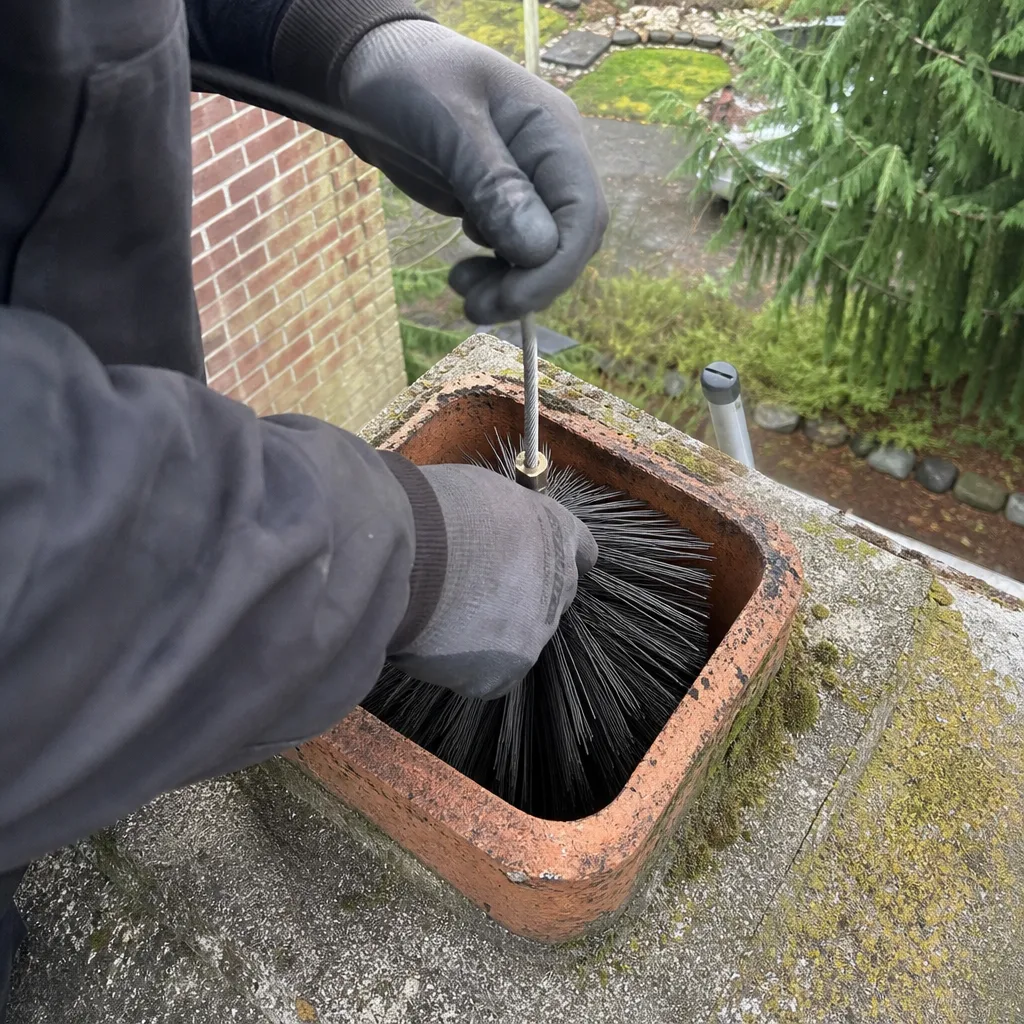
For wood-burning systems, the technician seals the firebox opening and deploys a rotary or manual brushing system from the top down or bottom up, depending on access and system configuration. Creosote is removed to the base and vacuumed. The technician evaluates creosote class: Class I (sooty, easily removed), Class II (granular, requires more aggressive brushing), or Class III (glazed, requires chemical treatment or rotary removal). Class III creosote in a Bellevue chimney often indicates burning unseasoned wood or restricted air supply, both common in our damp climate where firewood curing is challenging.
Inspection Phase
Following cleaning, the technician conducts the specified inspection level. For Level 2, this means a camera scan of the flue liner interior, evaluation of the smoke chamber and firebox from accessible angles, and exterior examination of the crown, cap, and visible masonry. In Bellevue’s wet climate, we pay particular attention to crown integrity and flashing condition, as water intrusion is the primary cause of premature liner failure and masonry deterioration in this region.
Documentation and Review
The technician should review findings with you in real time, showing camera footage or photos on a tablet or screen. You’ll receive a written summary and, under Clause 4 of the Haven Standard, a documented photo record. Any repair recommendations should include separate written pricing, not verbal numbers. You’re entitled to time to consider these recommendations without pressure to decide immediately.
At Fireplace Services in Bellevue, we’ve structured our entire workflow around this documentation standard since 2009. The 38,000+ chimneys we’ve inspected and cleaned each generated a written price before work started and a documented record on completion. That archive exists because homeowners in this market demand evidence, not assurance.
Common Mistakes to Avoid
- Assuming a general contractor license covers chimney work. Washington’s general contractor classification does not test for NFPA 211, combustion safety, or creosote evaluation. Verify chimney-specific credentials separately.
- Accepting a phone quote as binding. Phone quotes without visual inspection are estimates at best, bait at worst. Insist on written pricing after evaluation, before work begins.
- Neglecting to verify insurance directly. Request certificates from the carrier, not the contractor. A screenshot or verbal assurance is not documentation.
- Booking based on lowest price alone. In Bellevue’s market, sub-$150 chimney cleaning quotes typically indicate cursory work, hidden camera fees, or a platform for aggressive upselling. The cost of a proper cleaning with Level 2 inspection reflects trained labor, insurance, equipment maintenance, and documentation.
- Failing to ask about the inspection level. “Chimney inspection” means different things to different companies. Specify Level 1 or Level 2, and confirm whether camera scan is included.
- Ignoring Bellevue-specific conditions. Our wet climate, mature housing stock, and mixed wood/gas appliance landscape create inspection priorities that differ from drier, newer markets. A technician unfamiliar with Pacific Northwest moisture patterns may miss crown deterioration or misdiagnose condensation staining as active leaks.
- Not requesting photo documentation. Without visual evidence, you’re dependent on the technician’s description alone. A documented photo record, standard under Haven Standard Clause 4, creates an objective baseline for future comparison and warranty claims.
When to Call a Professional
Schedule a professional chimney evaluation if you observe any of the following: visible creosote buildup exceeding 1/8 inch on flue walls, smoke entering the room during fireplace use, a persistent odor of creosote during warm weather, white efflorescence or spalling brick on exterior masonry, rust stains on the firebox or damper, or any event involving chimney fire, lightning strike, or seismic activity. For gas systems, any smell of combustion products, sooting on logs or glass, or delayed ignition warrants immediate professional assessment.
Bellevue homeowners should also consider proactive scheduling based on usage: annual inspection for wood-burning systems with regular use, every two years for occasional use, and at change of occupancy or appliance type regardless of timing. The damp fall and winter conditions in the Puget Sound region make pre-season scheduling, typically September through early November, the practical choice for ensuring system readiness.
Emberly Chimney Cleaners Bellevue offers free estimates in Bellevue and surrounding Eastside communities. Our technicians are background-checked, uniformed, and equipped for full Level 2 camera inspection on every evaluation. Call (425) 696-0387 to schedule, or request your appointment through our online booking system.
Frequently Asked Questions
A standard chimney cleaning with Level 1 inspection in Bellevue typically ranges from $180 to $280 for a single wood-burning flue. A Level 2 inspection with camera scan adds $100 to $180. Repair recommendations are quoted separately with line-item pricing. Call (425) 696-0387 for an exact quote - estimates are free.
You need a new flue liner only if the existing liner is damaged, improperly sized for the appliance, or missing entirely. We determine this through camera inspection, not visual guesswork. If a company recommends liner replacement without showing you camera footage of cracks, gaps, or deterioration, request a second opinion. Our Free Second Opinion service reviews any competitor’s written estimate at no charge.
The National Fire Protection Association recommends annual inspection for all chimney systems, with cleaning frequency determined by creosote accumulation. In Bellevue’s climate, where firewood seasoning is challenging due to moisture, wood-burning systems used regularly typically require annual cleaning. Gas systems require annual inspection but less frequent cleaning unless sooting or combustion issues are present.
Skipped maintenance leads to creosote accumulation, which increases chimney fire risk. In Bellevue’s dense residential neighborhoods, a chimney fire can spread rapidly to adjacent structures. Deteriorated liners and masonry can allow carbon monoxide intrusion or structural collapse. These outcomes are preventable through scheduled inspection and cleaning. The cost of maintenance is a fraction of the cost of remediation.
A chimney sweep performs cleaning services. A chimney inspector evaluates system condition. Many professionals do both, but the distinction matters for scope and pricing. At Emberly Chimney Cleaners Bellevue, every cleaning includes inspection, and every inspection includes documentation. We do not perform cleaning without evaluation, as cleaning without knowing what you’re cleaning is structurally incomplete.
Homeowners can perform basic firebox and damper cleaning, but flue cleaning requires proper equipment and safety protocols. More critically, self-cleaning provides no documentation for insurance or real estate purposes and may miss deterioration that professional inspection would catch. For the cost of equipment rental and your time, professional service with documented record is the sounder investment.
The Bottom Line
Hiring a chimney cleaning contractor in Bellevue requires active verification because Washington State provides no licensing safety net. Request three documents before booking: general liability certificate, workers’ compensation verification, and written scope of work. Confirm active CSIA or NFI certification through the issuing body’s online directory. Insist on written, itemized pricing before any work begins, and reject bundled quotes that obscure what you’re paying for. Watch for Bellevue-specific red flags: door-knockers after storms, same-day repair pressure, and reluctance to document findings in writing. The contractor you choose should show you what they found, name what it costs, and put both in writing before asking for your approval. Anything less leaves you unprotected in a market where protection is yours to demand.
Written by Corrine Halstead, Owner at Emberly Chimney Cleaners Bellevue, serving Bellevue since 2009.