
Last updated September 22, 2026
Level 1 sweep and inspection to the NFPA 211 annual standard - flue, crown, cap, and flashing checked and photographed
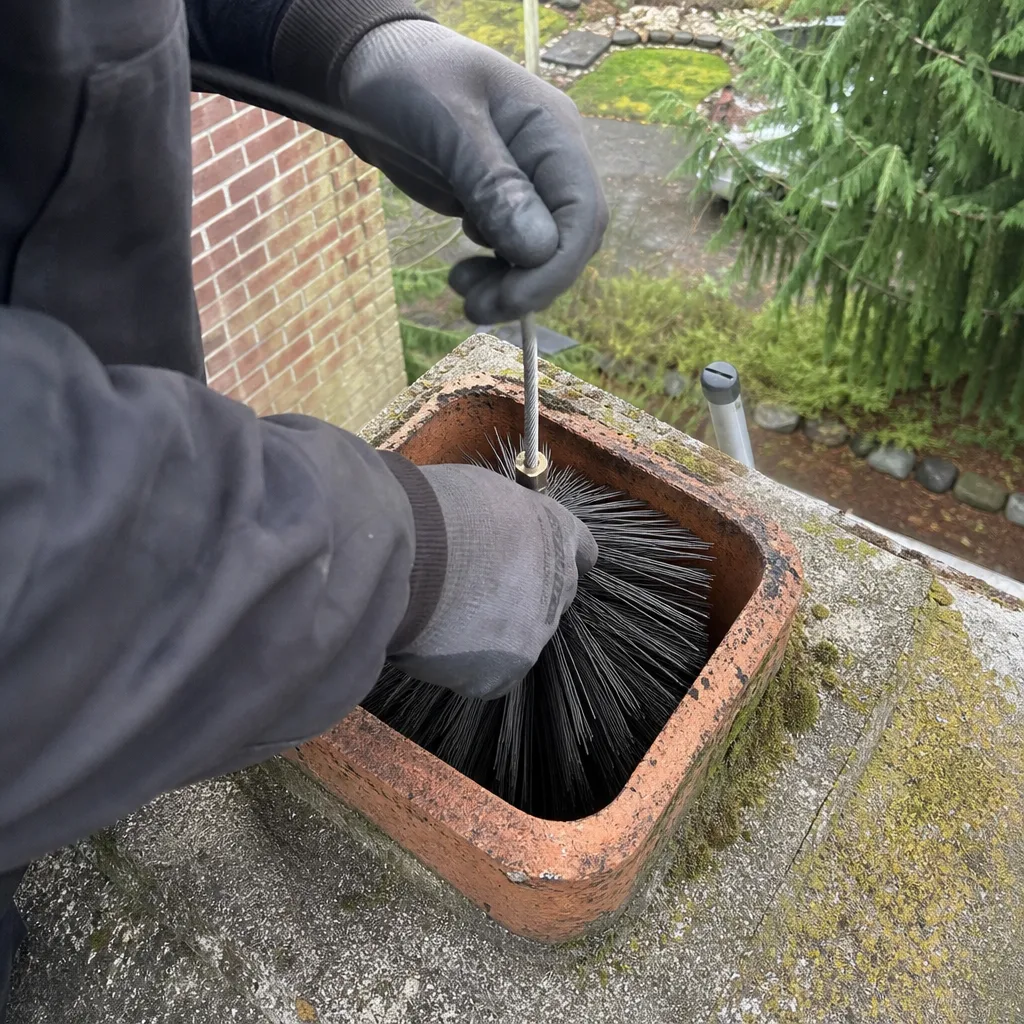
Chimney sweep logs do not sweep chimneys. They loosen some creosote - which then falls where a brush and vacuum still have to collect it.
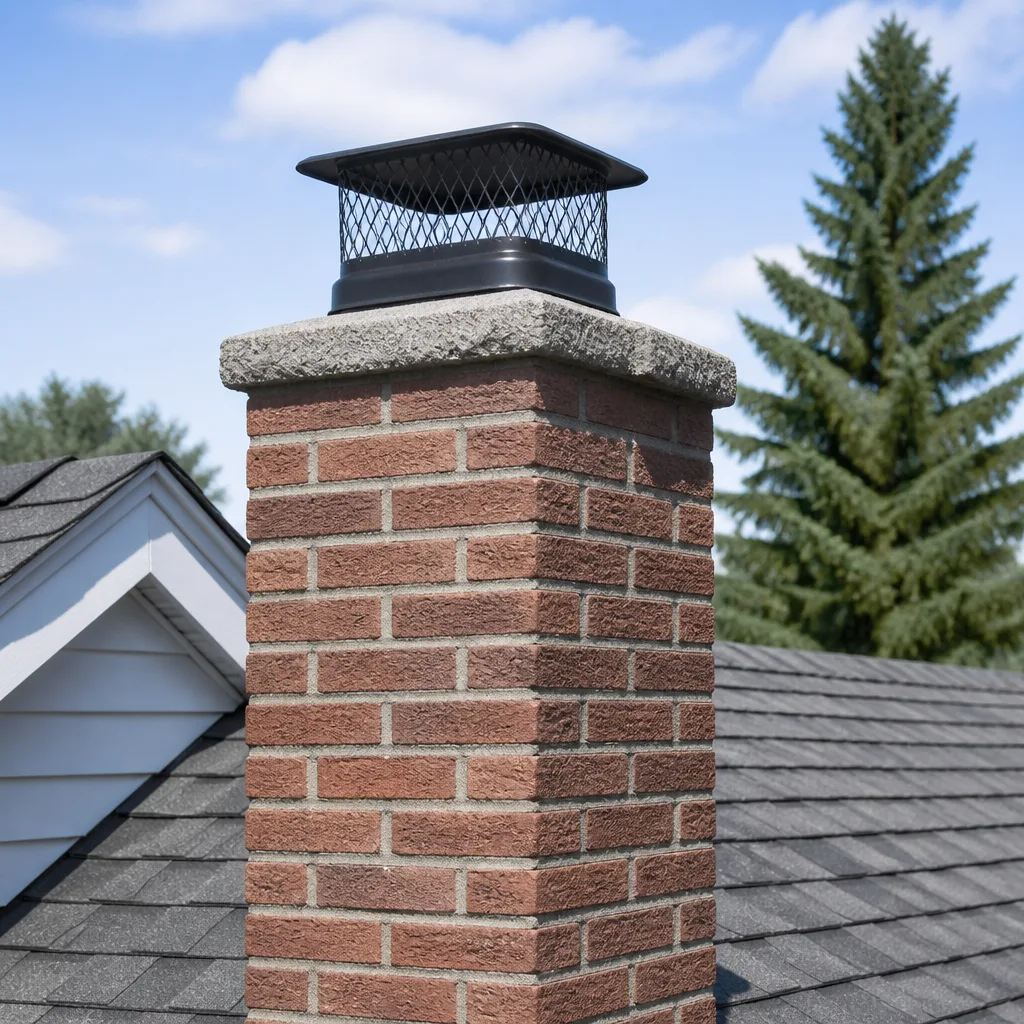
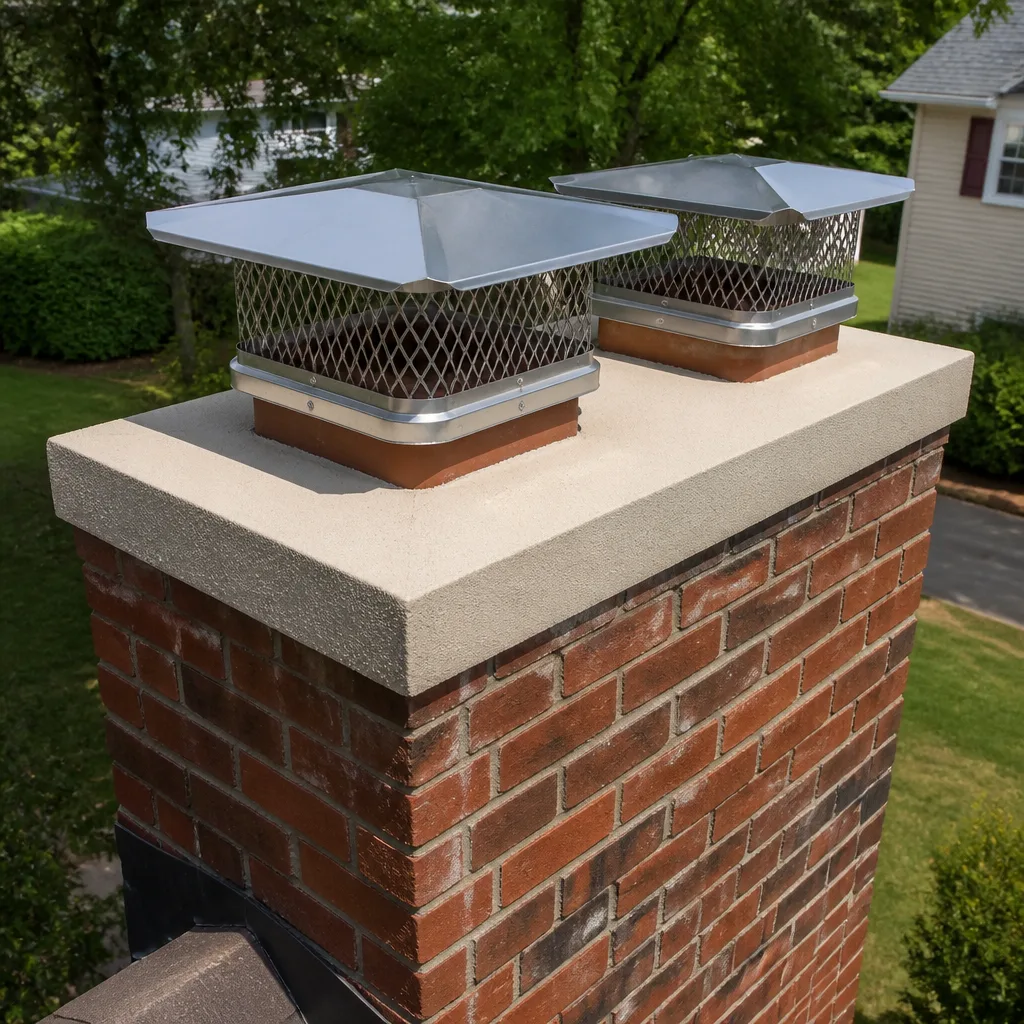
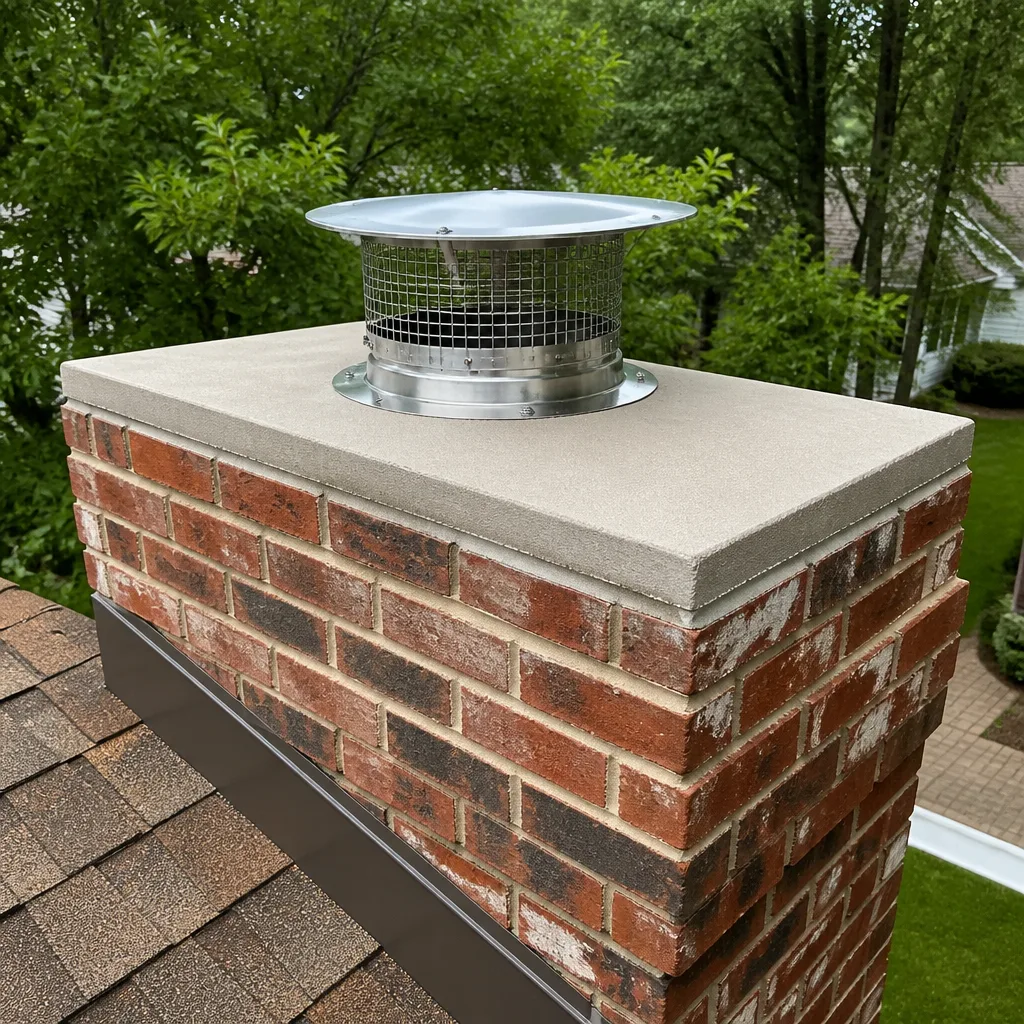
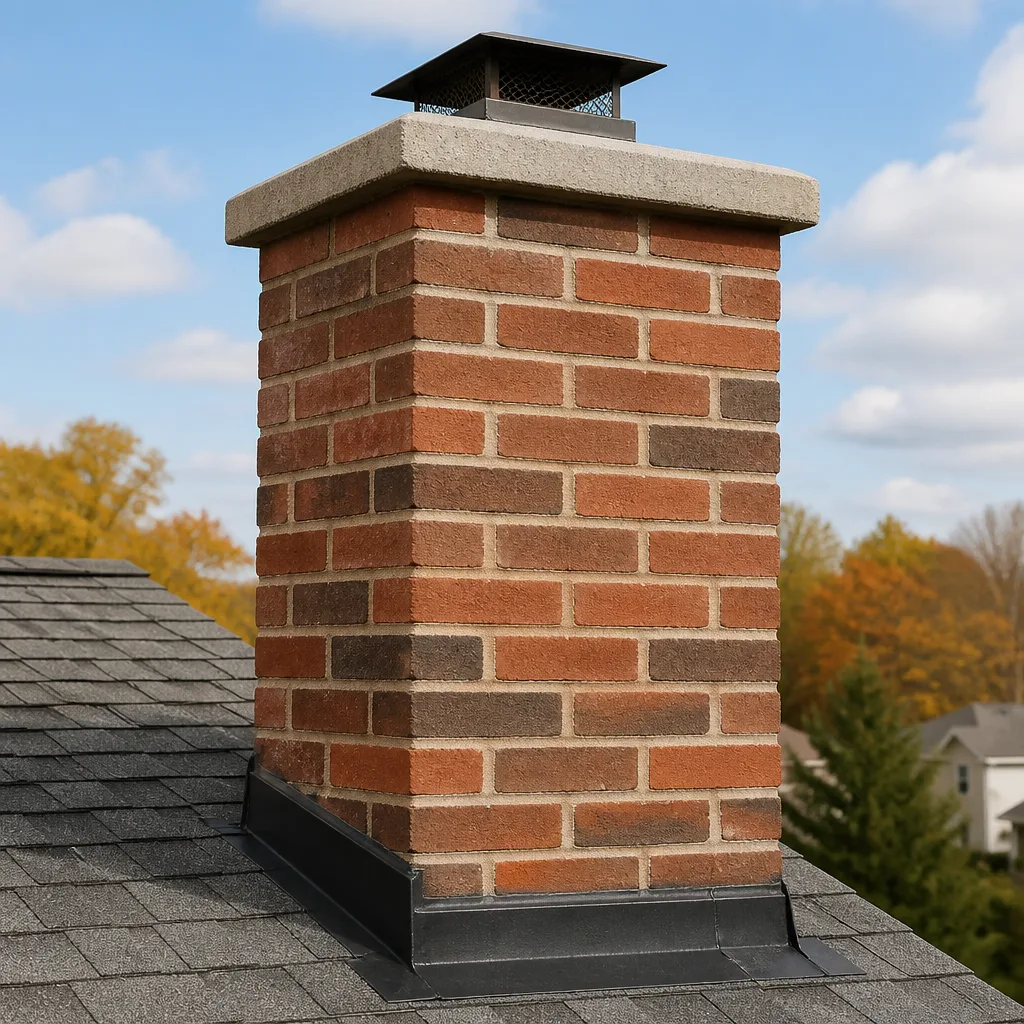
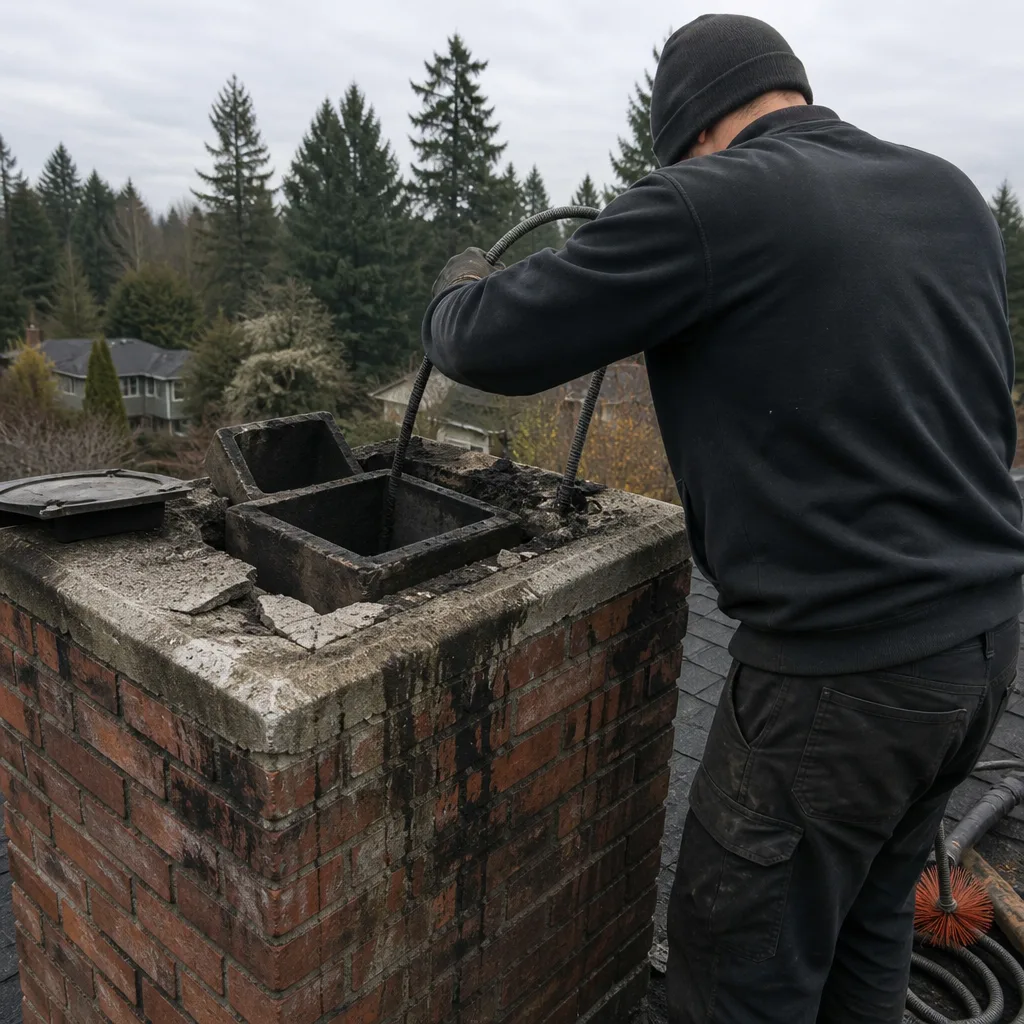 Before
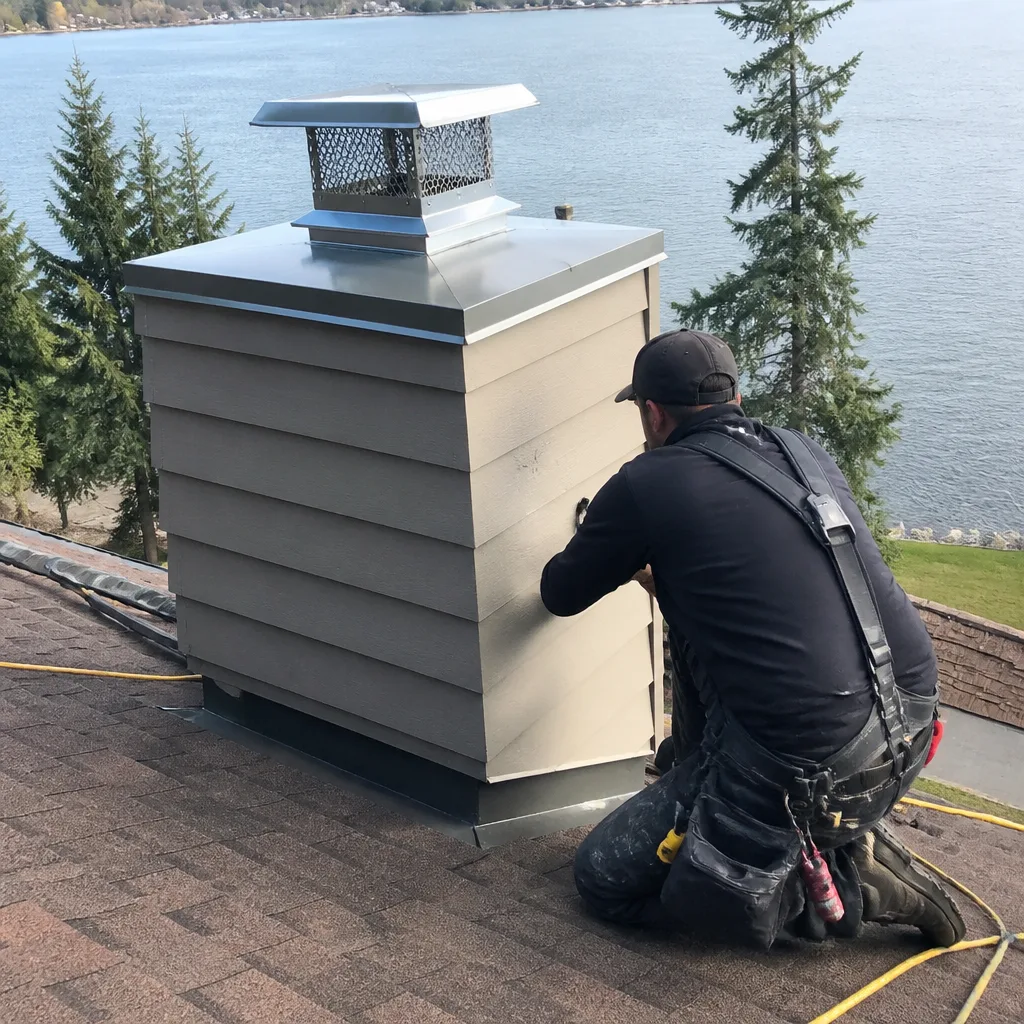 After
After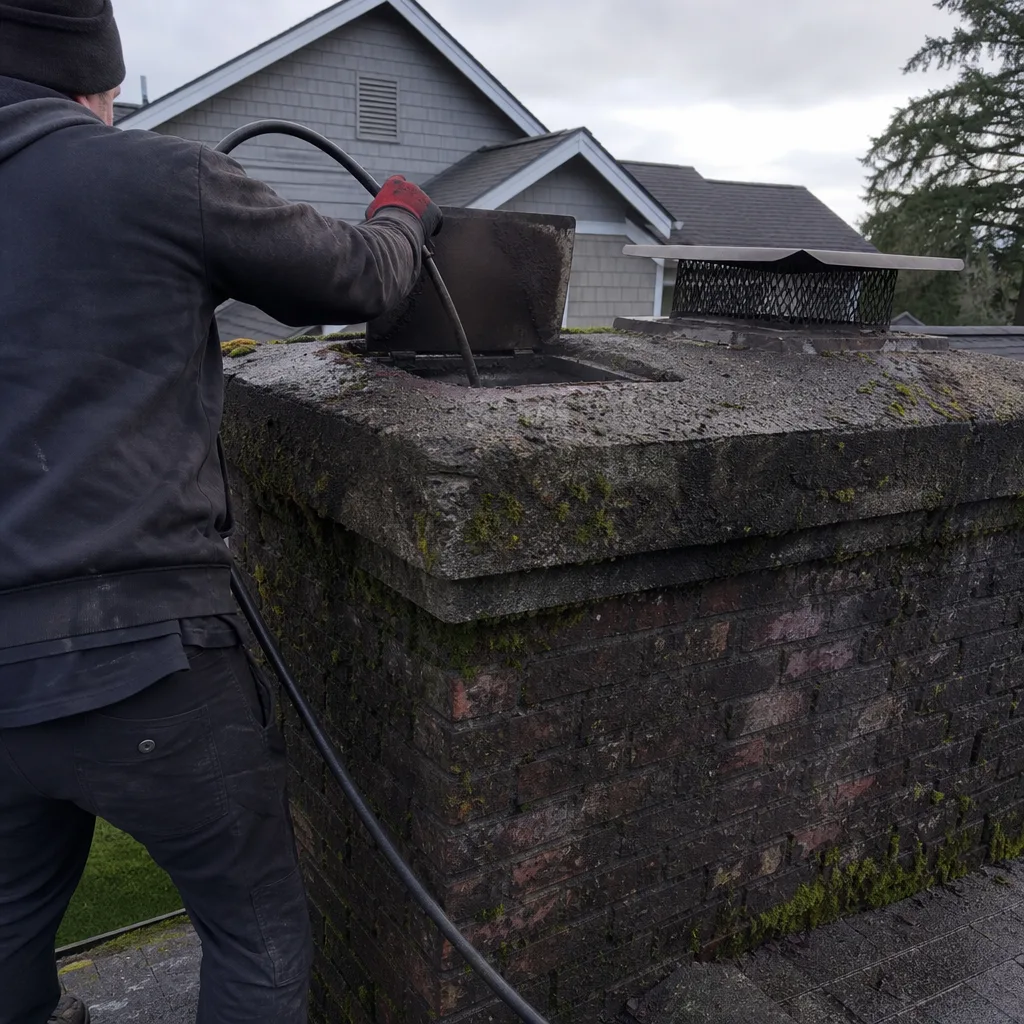 Before
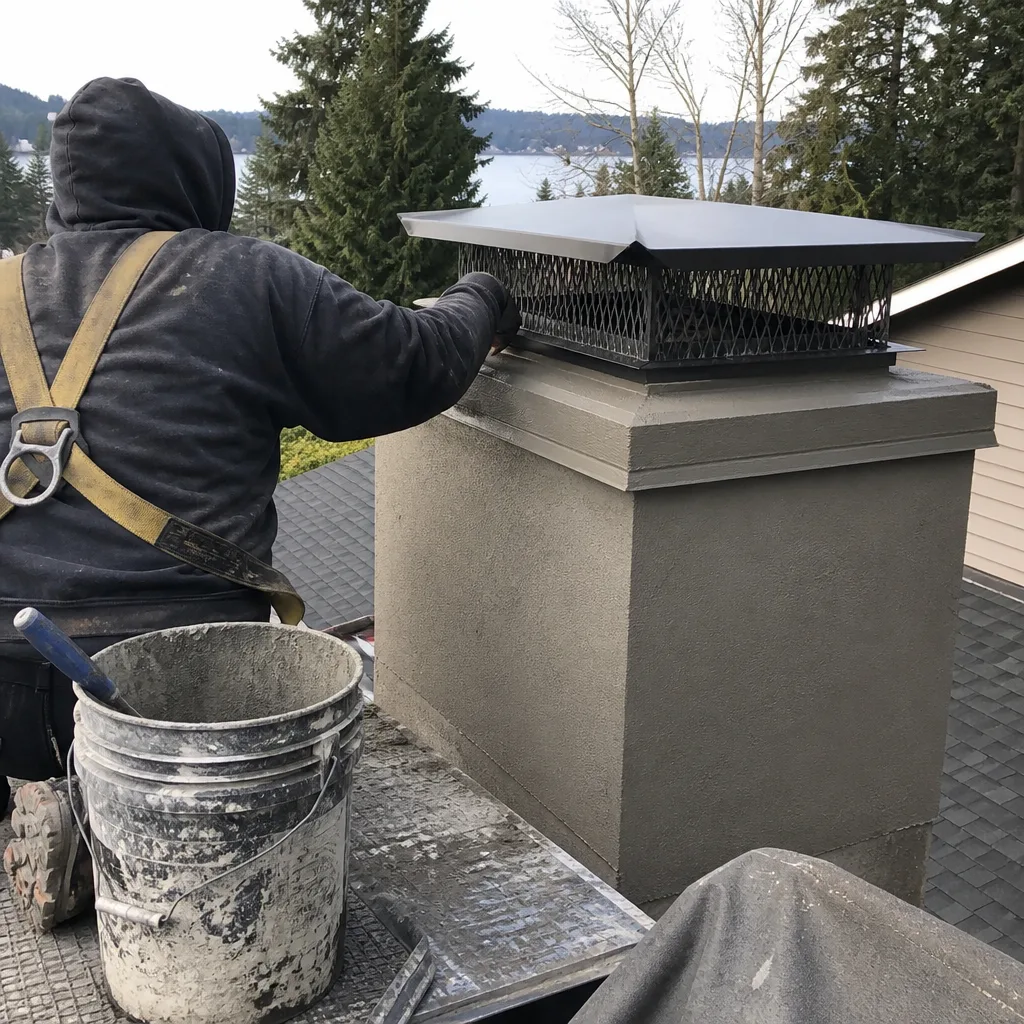 After
After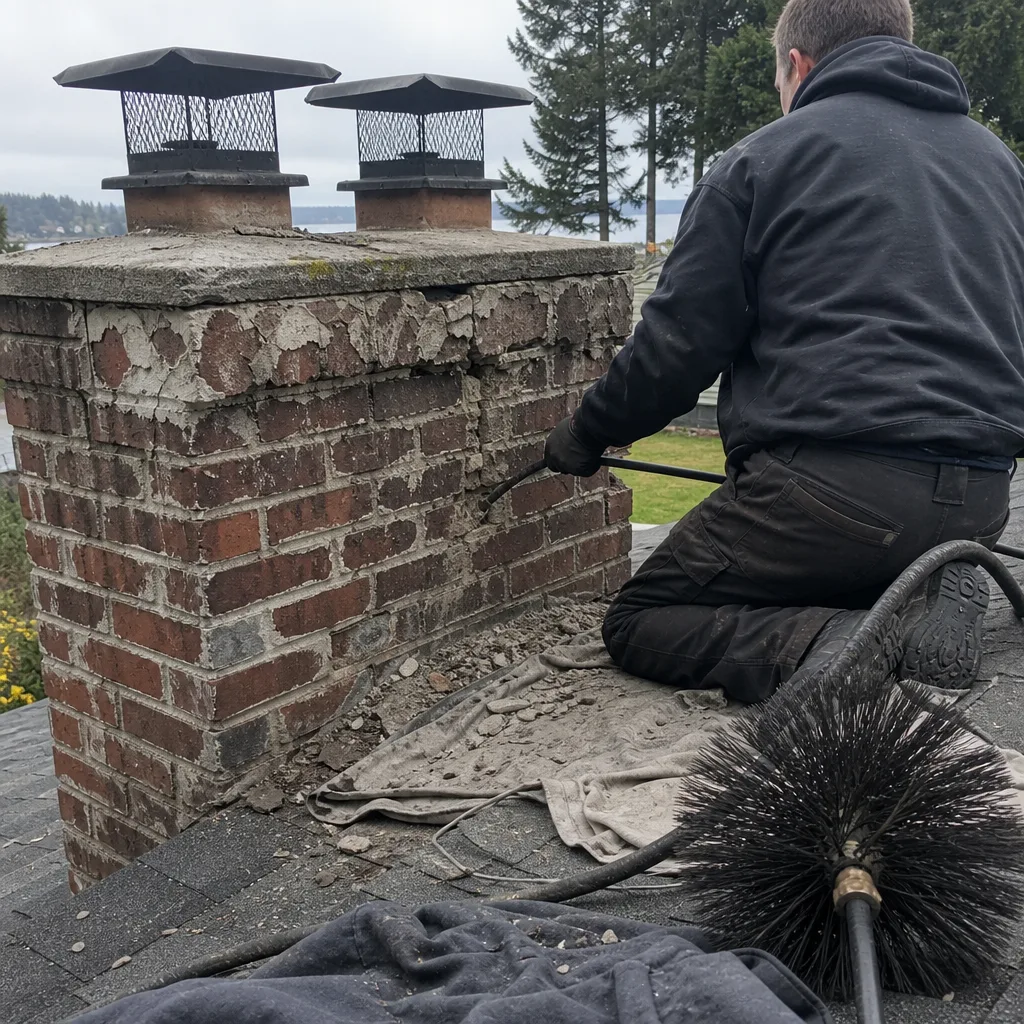 Before
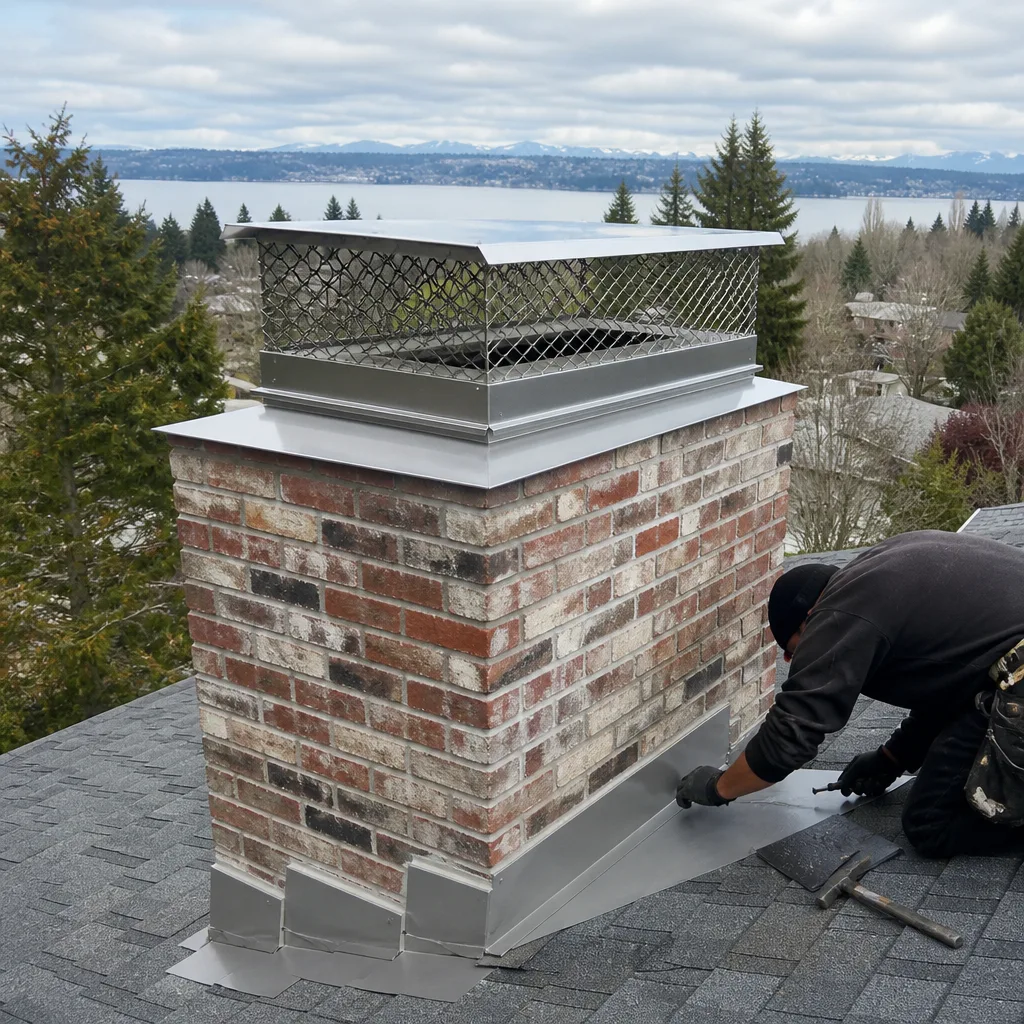 After
AfterChimney Cleaning & Sweep Maintenance Checklist for Bellevue Homeowners
Most chimney maintenance checklists fail at the first question: what kind of chimney are we talking about? A gas insert in a downtown Bellevue condo, a 1978 masonry fireplace in Newport Hills, and a modern wood stove with a stainless steel liner in Somerset all share a flue, but they fail in completely different ways. After 38,000 inspections across the Puget Sound, we’ve learned that generic advice - “schedule annual cleanings” - is worse than useless. It’s a liability disclaimer dressed up as guidance. This checklist works backward from documented failure points specific to Bellevue’s wood-burning season and wet shoulder months, giving you a month-by-month record you can hand to an insurer, a buyer, or your own memory three years from now.
Quick Answer
Bellevue homeowners should inspect their chimney cap, crown, and firebox monthly during burning season (October through March), schedule a Chimney Cleaning & Sweep with camera inspection every 12 months or per cord of wood burned, and document everything with dated photos. The critical difference: you can spot a cracked crown or missing cap, but only a sweep with a flue camera can assess liner integrity and creosote stage. Skip the camera, and you’re maintaining a chimney you cannot actually see into.
Table of Contents
- The Bellevue Burning Season Calendar: Month-by-Month Tasks
- Owner-Observable vs. Sweep-Observable: Know What You Can and Cannot See
- The Documentation Log Template: What to Record and When
- Tracking Cap and Crown Deterioration with Dated Photos
- Post-Storm and Freeze Checks: Bellevue’s Hidden Risk Periods
- Creosote Stages and What They Mean for Your Sweep Schedule
- Common Mistakes to Avoid
- When to Call a Professional
- Frequently Asked Questions
BeforeAfterThe Bellevue Burning Season Calendar: Month-by-Month Tasks
Bellevue’s climate creates a narrow, intense burning window. The first sustained cold usually arrives in late October. By November, daytime highs drop into the 40s and stay there. Rainfall peaks in November and December, then the dry cold of January and February sets in - the heaviest fire months. March brings freeze-thaw cycles that punish masonry. Here’s how to calibrate your maintenance to that rhythm.
September: Pre-Season Inspection
Before you touch a match, walk the exterior. Look for:
- Cap intact and securely seated - no gaps, no animal debris
- Crown free of hairline cracks or spalling (surface flaking)
- Flashing sealed where chimney meets roof, especially if your home sits in the wind-exposed zones of Clyde Hill or West Bellevue
- Firebox bricks and mortar joints intact, no white efflorescence staining
- Damper opens fully, closes fully, and seats without grinding
September is also when we see the most scheduling flexibility at Chimney Cleaning & Sweep in Bellevue. October bookings stack up fast.
October: First Fire Protocol
Build a small, hot fire first. You’re testing draft, not heating the room. If smoke spills into the room, stop. The causes we find most often in Bellevue: damper locked shut from summer humidity, bird nest in the flue (common near Lake Sammamish where starlings mass), or negative pressure from modern tight homes running exhaust fans. Document the first fire date. It starts your season record.
November-December: Peak Use, Peak Vigilance
Check the cap and crown after every windstorm. Bellevue’s location between Lake Washington and the Cascade foothills creates channelized wind that dislodges caps more often than inland areas. In our experience, homes above 400 feet elevation - Somerset, Cougar Mountain, parts of Factoria - see 40% more cap displacement than valley-floor properties.
Inspect the firebox weekly for creosote flakes or shiny black glaze. Shiny glaze is Stage II creosote. It cannot be brushed out with standard tools. If you see it, stop burning and schedule a sweep.
January-February: Deep Winter, Deep Buildup
By mid-January, most wood-burning homeowners in Bellevue have burned 1.5 to 2 cords. That’s the threshold where Stage III creosote - hard, tar-like, fuel for chimney fires - becomes likely if you’re burning unseasoned wood or damping fires overnight. This is not an aesthetic issue. Stage III creosote burns at 2,000°F and can crack a clay tile liner in a single event.
Your task this month: order your sweep if you haven’t already. February is our busiest emergency month for chimney fire calls in Eastside zip codes.
March: Season Shutdown
The freeze-thaw cycle begins. Water seeps into crown cracks, expands overnight, widens them. Your job: photograph the crown from the same angle you used in September. Compare. Any crack that’s grown wider than a dime needs attention before next season. This is also when we find the most hidden moisture damage in Bellevue - homeowners stop using the fireplace, stop looking at it, and the crown deteriorates unchecked through April and May rains.
April-September: Off-Season Monitoring
Check the cap quarterly. Squirrels nest in April. Hornets build paper nests in June and July. A blocked cap in October is an October emergency; a blocked cap in July is a five-minute fix.
Owner-Observable vs. Sweep-Observable: Know What You Can and Cannot See
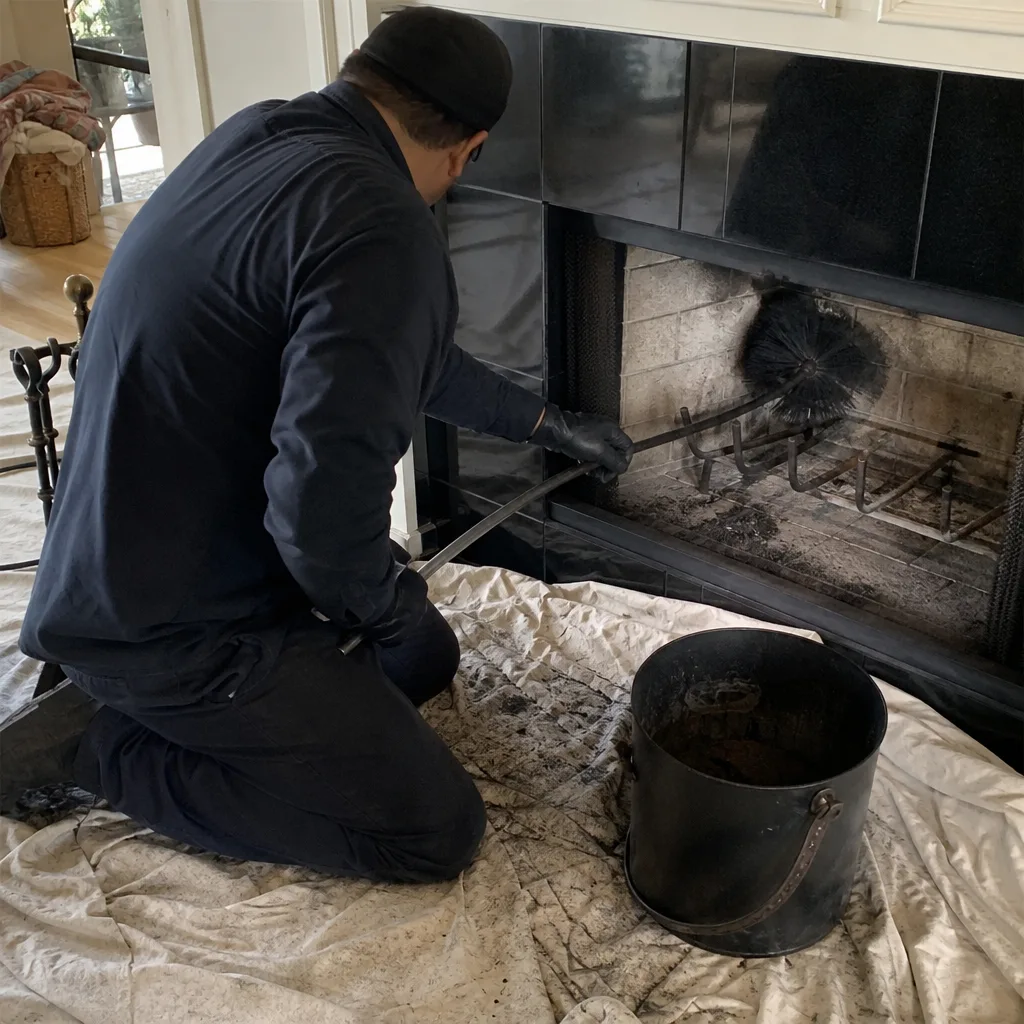
This distinction matters for safety, for insurance claims, and for avoiding the most common scam in our trade: a sweep who diagnoses “needed repairs” you have no way to verify.
What You Can Observe (Document These Yourself)
- Cap condition: present, secure, mesh intact, no debris
- Crown surface: cracks, spalling, pooling water, discoloration
- Firebox: brick or refractory panel cracks, mortar loss, rust stains indicating water entry
- Smoke chamber (visible portion): soot buildup above the damper, sloped walls smooth or rough
- Damper operation: full range of motion, clean seating, no warping
- Hearth and surround: clearance to combustibles intact, no scorch marks
- Exterior brick: efflorescence (white powder), missing mortar, leaning or bulging
What Requires Professional Equipment (Do Not Guess)
- Flue liner integrity: cracks, gaps, missing tiles, or corrosion in metal liners - visible only with a camera lowered the full flue length
- Creosote stage and thickness: Stage I (sooty, brushes off), Stage II (shiny, hard, requires chains or rotary tools), Stage III (glazed, tar-like, requires chemical treatment or replacement) - misidentification is common and dangerous
- Flue offset and joint alignment: in masonry chimneys with offsets, buildup concentrates at turns; a straight brush misses it
- Smoke chamber parging: the rough, corbelled area above the damper - impossible to assess without a mirror or camera
- Clearance to combustibles: framed chases, attic penetrations - requires measurement tools and code knowledge
- Combustion gas spillage: requires draft gauge and CO detector testing
The Haven Standard exists because this gap is so often exploited. Clause 4 requires a documented photo record on every job - not because photos are impressive, but because they close the gap between what a sweep claims and what a homeowner can verify. We’ve included camera-scan documentation as standard since 2009, years before NFPA 211 or insurers began requiring it.
If a sweep gives you a diagnosis without showing you the image, you have a claim, not a finding. Our Emberly Chimney Cleaners Bellevue home page explains how to request that documentation.
The Documentation Log Template: What to Record and When
This is the record you build over years. It protects your home value, supports insurance claims, and prevents redundant work. We’ve structured it from the logs we see hold up in disputes.
| Field | What to Record | Example |
|---|---|---|
| Date | Exact date of inspection or sweep | October 14, 2024 |
| Service Type | Sweep, inspection, repair, or combination | Level 2 inspection with sweep |
| Company Name | Full business name | Emberly Chimney Cleaners Bellevue |
| Technician Name | Named individual, not “the tech” | J. Martinez, License #CHIM-WA-2847 |
| Camera Used | Yes or No - critical for flue assessment | Yes, Chim-Scan HD video to crown |
| Creosote Stage | I, II, or III, with location | Stage I, full flue length; Stage II, smoke chamber |
| Liner Condition | Material, visible defects, remaining life estimate | Clay tile, 2 cracked tiles at 12′ and 18′, 5-7 years remaining |
| Crown/Cap Findings | Specific damage, measurements | Crown: 3 hairline cracks, longest 4″; cap: secure, mesh intact |
| Repairs Recommended | Itemized, with urgency rating | Crown seal (urgent, before rain); tile repair (monitor annually) |
| Written Price Received | Yes or No; amount if yes | Yes, $340 crown seal, $890 tile repair - scope attached |
| Photos Provided | Number and type | 12 photos, 4 minutes video, uploaded to customer portal |
| Next Service Due | Date or trigger condition | October 2025 or after 1 cord burned |
Keep this log in cloud storage, not a drawer. Water damage, house sales, and insurance disputes all happen years after the work. We’ve had Bellevue homeowners call with questions about sweeps performed in 2017. The ones with documented records get answers. The ones without get guesses.
Under the Haven Standard, every job we complete includes a written scope, written price, and written warranty before work starts - Clause 1, H.A.V.E.N. “Have it in writing.” That documentation belongs in your log.
Tracking Cap and Crown Deterioration with Dated Photos
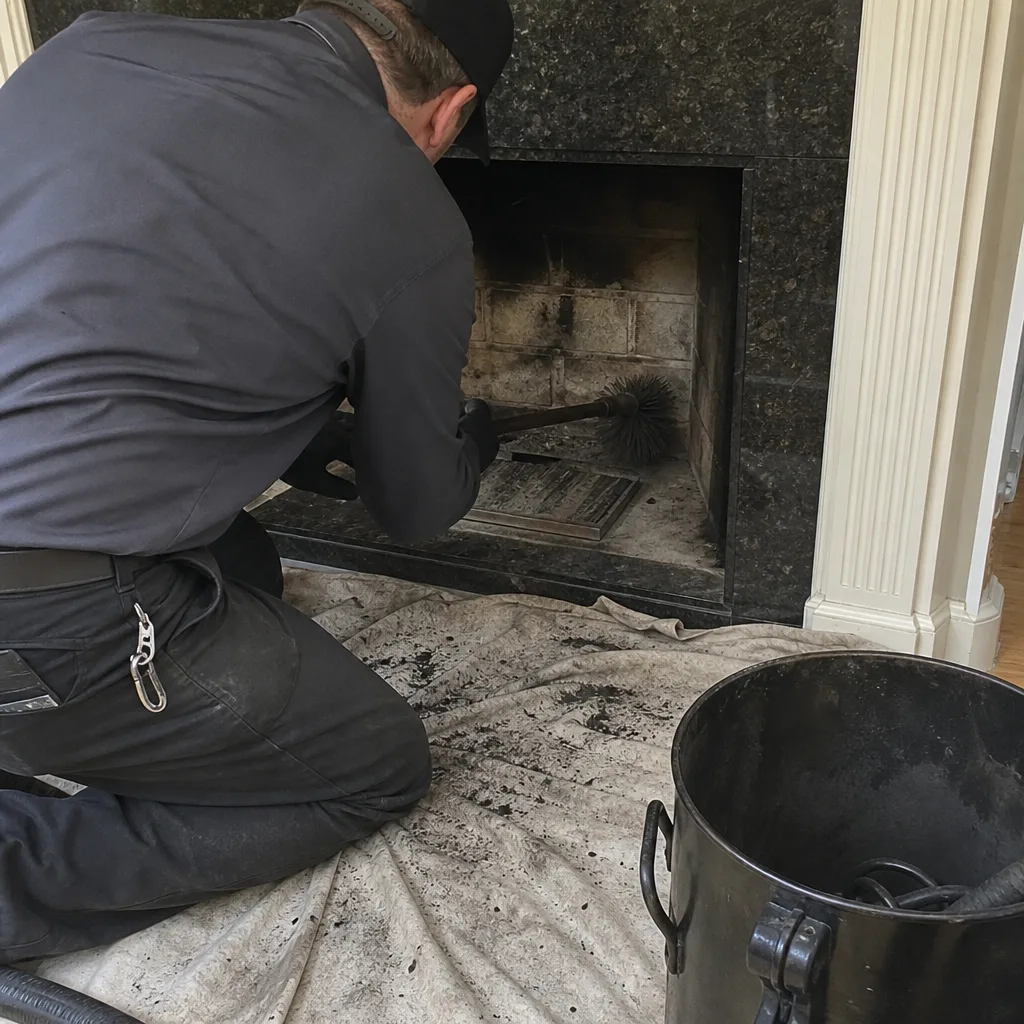
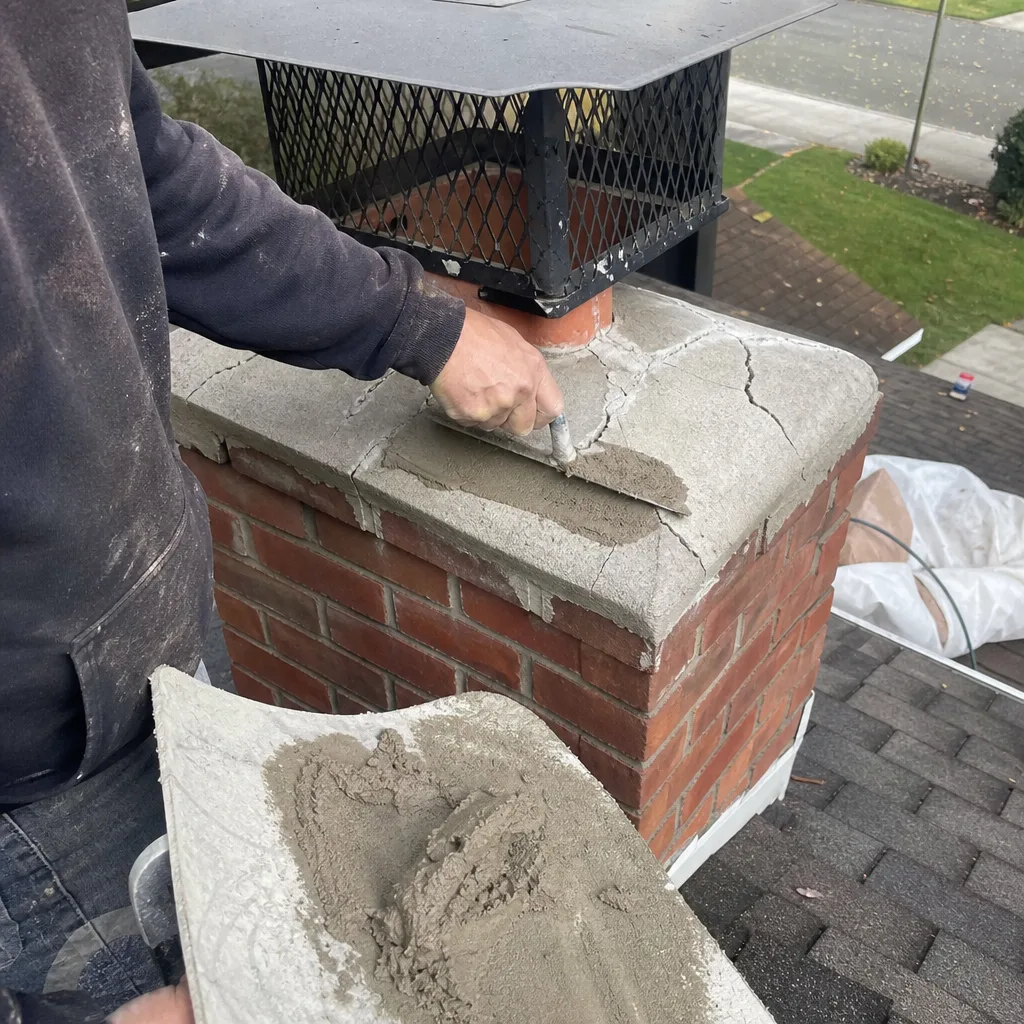
The crown is the concrete slab that seals the top of a masonry chimney. It is not decorative. It is the primary defense against water entering the flue system. In Bellevue, where annual rainfall exceeds 38 inches and freeze-thaw cycles run from November through March, crown failure is the single most expensive preventable repair we encounter.
Here’s the practice we teach homeowners: annual crown photography from a fixed reference point.
How to Set Up Your Crown Photo Series
- Choose your vantage point: from the ground with a zoom lens, from a second-story window, or from a ladder at the same rung each year. Mark the spot with a landscape feature - “the northwest corner of the deck, aligned with the downspout.”
- Shoot the same four angles every time: direct overhead (if safely accessible), south face, north face, and a detail of the flue tile protrusion. The flue tile-to-crown joint is the first failure point.
- Include a dated reference: a newspaper, phone screen, or printed date card in one frame.
- Store with your documentation log: filename format “Crown_2024-10-14_North.jpg”
After three years, you have a time-lapse of deterioration. Cracks that grow from hairline to pencil-width indicate active water intrusion. Spalling - surface flaking that exposes aggregate - means freeze-thaw damage is accelerating. Both conditions are repairable with crown sealant (HeatShield or similar) if caught early. Left untreated, water reaches the flue liner, freezes, expands, and requires partial rebuild.
In Bellevue’s older neighborhoods - Lake Hills, Crossroads, parts of Eastgate - we see original crowns from the 1960s and 1970s that were never sealed. They’re past saving. The photo series would have shown the progression if anyone had been watching.
Caps should be photographed from below, showing mesh condition and attachment method. A cap held by two sheet-metal screws will not survive a Bellevue windstorm. A cap with a proper skirt and compression band, properly sourced through a network like ours using Famco or Copperfield hardware, will.
Post-Storm and Freeze Checks: Bellevue’s Hidden Risk Periods
Bellevue’s weather creates two underrecognized chimney damage windows: wind events and rapid freeze-thaw transitions.
Wind Events
The Puget Sound convergence zone frequently channels high winds directly across Bellevue, particularly affecting homes with ridge exposures in Somerset, the Lake Hills plateau, and Cougar Mountain elevations. After any wind event with gusts above 45 mph:
- Verify cap presence and position from ground level
- Check for new exterior brick damage or displaced flashing
- Look for debris accumulation at the chimney base - dislodged cap pieces, broken brick fragments
- Smell for gas leaks if you have a gas insert (damaged venting can create spillage)
Do not climb the roof yourself. Document from the ground, call if you see displacement.
Freeze-Thaw Cycles
Bellevue’s most damaging freeze pattern: rain-saturated masonry hit by an overnight temperature drop into the 20s. This happens reliably in January and February, and increasingly in March. The water expands 9% in volume, creating internal pressure that spalls brick faces and widens crown cracks.
After any freeze event following heavy rain:
- Inspect exterior brick for new spalling or popped faces
- Check the crown for fresh cracking or widened existing cracks
- Look inside the firebox for water stains or damp ash - indicating crown or flashing failure
- Run your hand along the smoke chamber walls above the damper; dampness there means water is traveling the flue
Water in the flue is not a minor issue. It degrades mortar, corrodes metal liners, and accelerates creosote buildup. In homes with gas appliances, it can block venting and create carbon monoxide hazard. If you find dampness, stop using the fireplace and schedule inspection.
Creosote Stages and What They Mean for Your Sweep Schedule
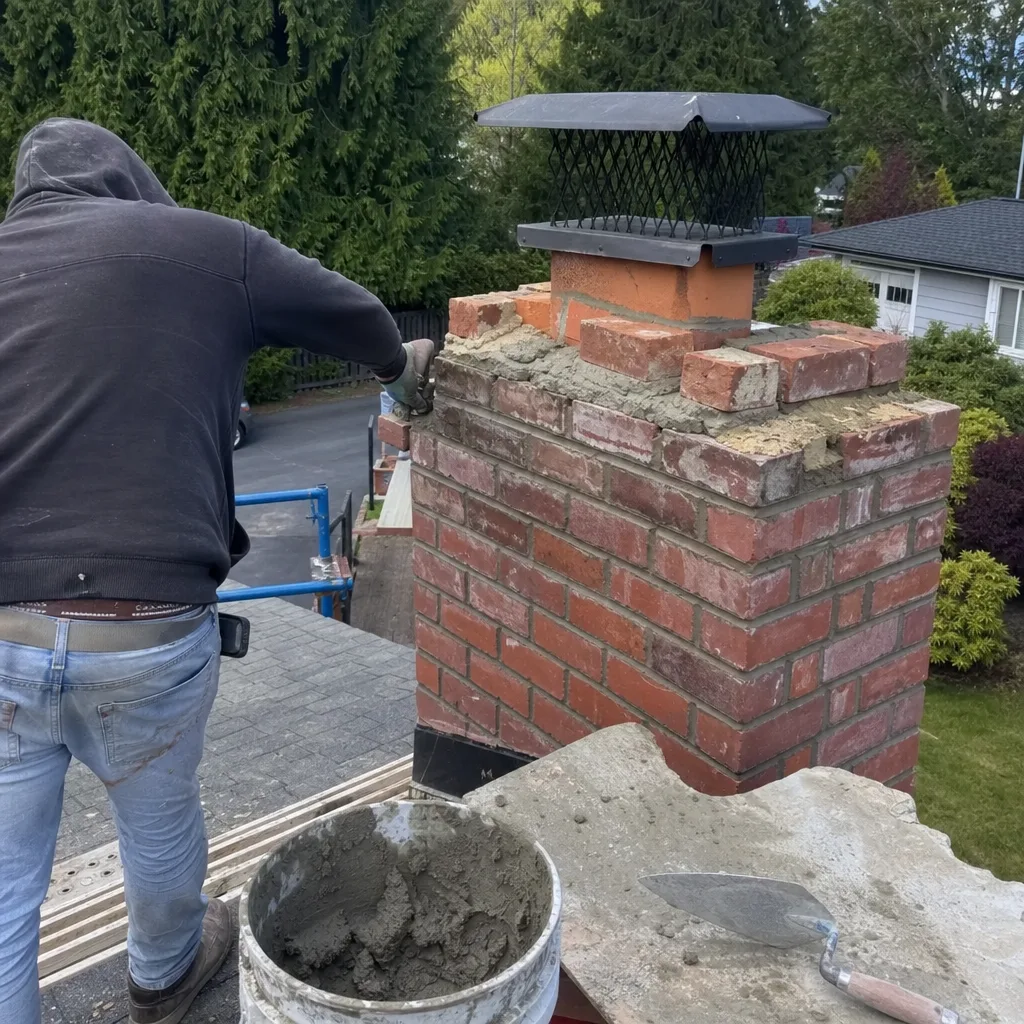
Creosote is not generic “soot.” It forms in three distinct stages, each with different removal requirements and fire risks. Misidentification leads to incomplete cleaning and false confidence.
| Stage | Appearance | Removal Method | Fire Risk |
|---|---|---|---|
| I | Fluffy or flaky black soot, brushes off easily | Standard wire or poly brush, rods | Low; normal combustion byproduct |
| II | Shiny, hard, black or brown glaze; cannot be scratched with fingernail | Chains, rotary whips, or chemical treatment; often requires multiple passes | Moderate; ignites at lower temperature than Stage I |
| III | Thick, tar-like, often dripping; may be rubbery when warm | Chemical treatment with PCR (Powdered Creosote Remover) or similar, followed by mechanical removal; sometimes requires flue replacement if glazed throughout | Severe; fuel source for destructive chimney fire |
Bellevue homeowners burning Douglas fir or western red cedar - common local firewood - produce more resinous creosote than those burning hardwoods. The wood is abundant and cheap, but it requires more frequent monitoring. We’ve found Stage III buildup in Bellevue chimneys after as little as 0.8 cords of unseasoned fir.
The “one cord equals one sweep” rule is approximate. The real metric: inspect after every cord, sweep when Stage II appears. If you’re burning 24/7 through January and February, that may mean mid-season service.
Our Chimney Repair in Bellevue page covers liner replacement when creosote damage has progressed beyond what sweeping can address.
Common Mistakes to Avoid
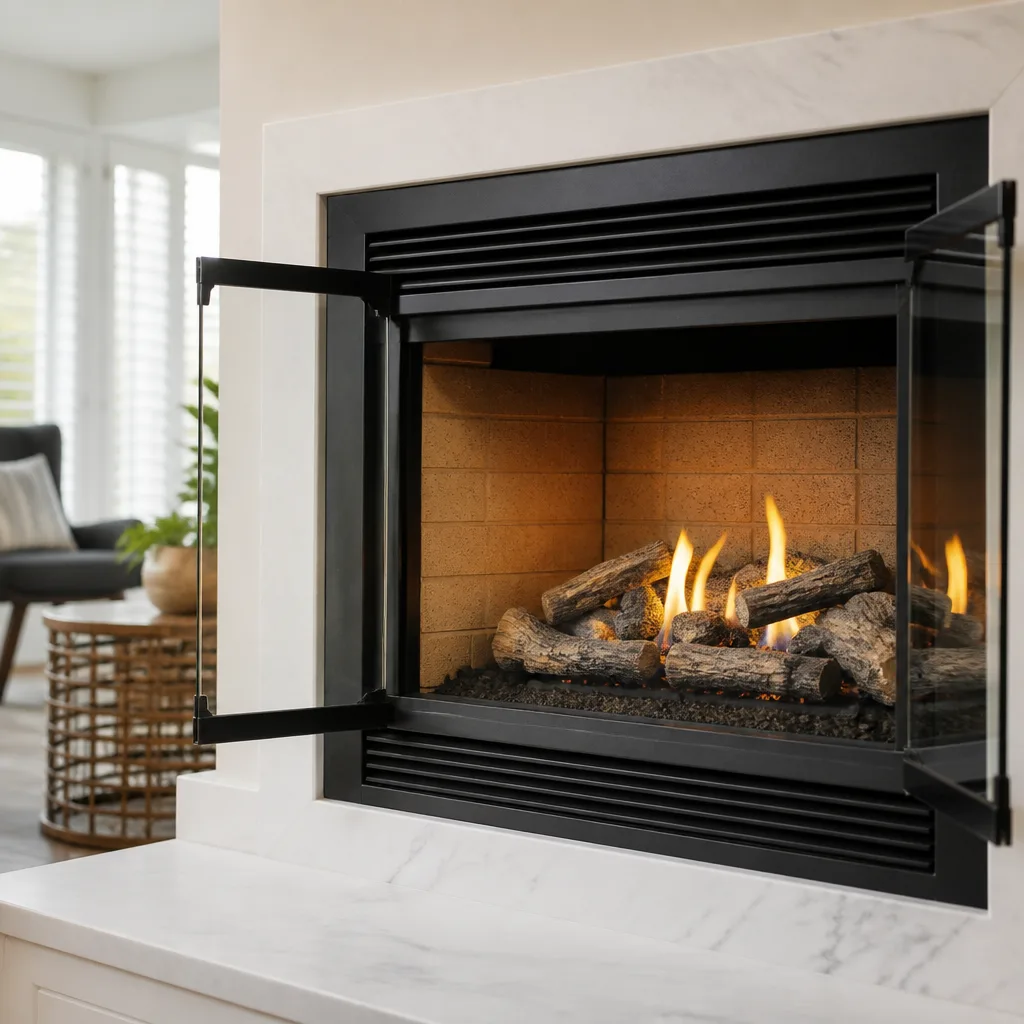
- Assuming gas fireplaces need no maintenance. Gas inserts and direct-vent units still require annual inspection of the venting system, burner orifice, and CO spillage testing. The “clean” burn produces moisture that corrodes metal components. We’ve replaced failed gas venting in Bellevue condos where owners skipped five years of service.
- Judging creosote by fireplace appearance. A clean firebox tells you nothing about the flue 15 feet above. Stage III creosote is often thickest at the top, where temperatures drop and condensation occurs. Only a camera shows this.
- Using the wrong firewood. Unseasoned wood (moisture above 20%) burns cooler, producing more creosote per BTU. “Seasoned” in Bellevue’s damp climate often means “left in a pile.” Buy from a supplier who dries under cover, or invest in a moisture meter. We recommend sub-18% moisture for fireplace use.
- Ignoring the smoke chamber. The area above the damper, where the fireplace narrows to the flue, is the most common site of Stage II-III buildup. It’s also invisible without a mirror or camera. Standard brush sweeping from the top often misses it entirely.
- Skipping post-storm checks. Bellevue’s wind exposure and tree cover create cap displacement and debris events that go unnoticed until the first fire of the season. A blocked flue from a squirrel nest built in April is a October carbon monoxide event.
- Accepting verbal estimates. A price given over the phone, or verbally in your home, is not a price. It’s a starting point. Under Haven Standard Clause 1, we deliver written scope, written price, and written warranty before any work begins. No exceptions since 2009.
- Storing documentation in only one place. Paper records mold in Bellevue basements. Email chains get lost. Use cloud storage, share access with your partner, and keep the log with your home’s permanent files.
When to Call a Professional
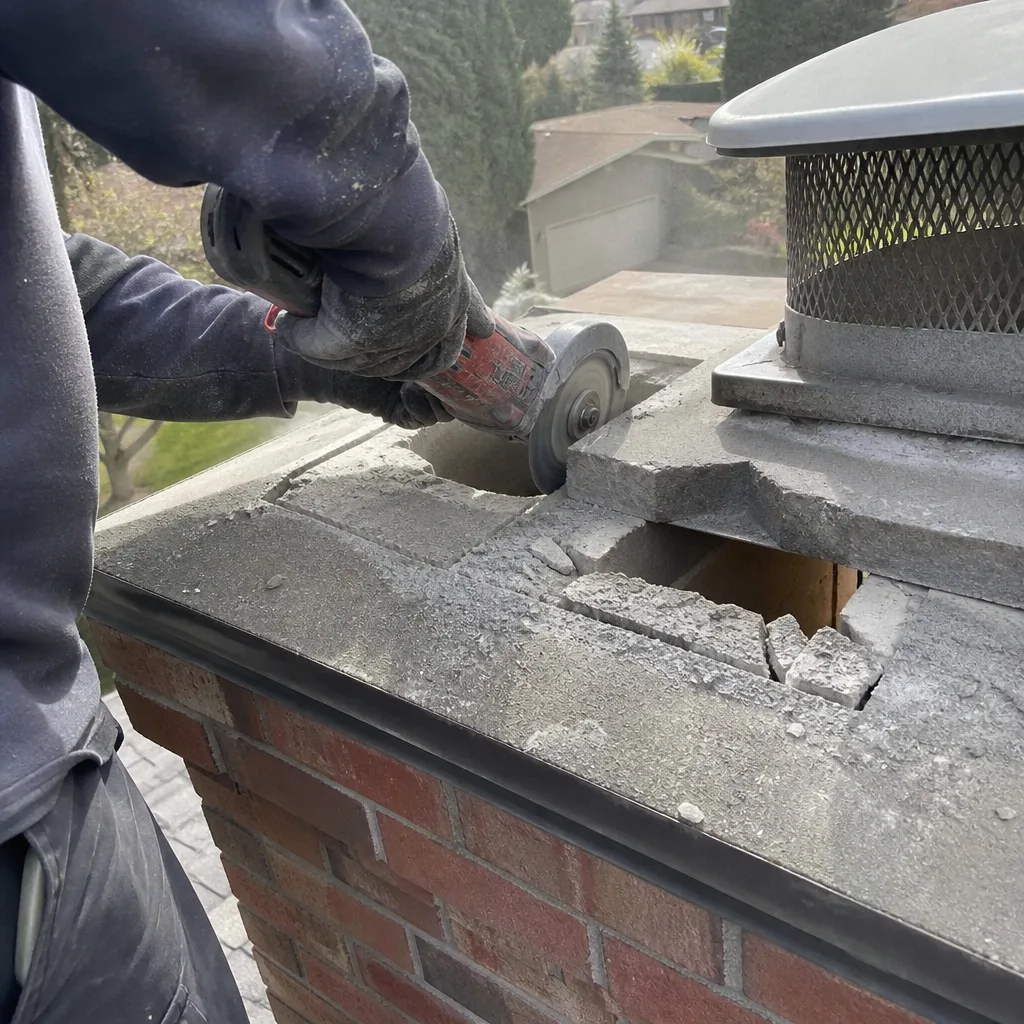
Call for inspection, not just cleaning, when: smoke spills into the room at fire start; you hear dripping in the flue during rain; the damper won’t fully open or close; you find brick fragments in the firebox; or you’ve burned more than one cord since your last sweep. Call immediately if you experience a chimney fire - roaring sound, dense smoke, hot exterior masonry - and do not use the fireplace until inspected.
For gas systems, call if you smell combustion products, if the pilot behaves erratically, or if your CO detector alarms. These are not “wait and see” symptoms.
Emberly Chimney Cleaners Bellevue offers free estimates in Bellevue. Every estimate includes a written scope, written price, and written warranty before any work begins. Call (425) 696-0387. If you have a competitor’s written quote, our Free Second Opinion will review it against what our camera finds - no charge, no obligation.
Frequently Asked Questions
A Level 2 inspection with sweep in Bellevue typically runs $280-$420, depending on flue accessibility, creosote stage, and whether the fireplace is a standard open hearth or a freestanding stove with a liner. Repairs quoted separately, always in writing before work starts. Call (425) 696-0387 for an exact quote - estimates are free.
You need a new liner when the existing one is cracked, missing tiles, or improperly sized for the appliance - and only when a camera inspection confirms it. We do not recommend liner replacement without photo evidence you can see. In Bellevue’s 1960s-1980s housing stock, clay tile liners are often deteriorated but still functional; replacement is urgent only when cracks are visible, gapped, or associated with a known chimney fire. Call (425) 696-0387 for a camera inspection if you haven’t had one in two years.
At minimum, annually for wood-burning systems, per NFPA 211. More frequently if you burn more than one cord per season, burn softwoods like fir or pine, or notice performance changes. Gas systems need annual inspection of venting and burner components, though “sweeping” is less extensive. For deeper guidance, see The Complete Guide to Chimney Cleaning in Bellevue - the specific answer depends on your fuel, your burning habits, and what the last camera inspection showed.
Progressive creosote buildup increases chimney fire risk. Water intrusion degrades mortar and liner, leading to expensive rebuilds. Gas venting failures can produce carbon monoxide. In Bellevue’s wet climate, the most common outcome we see: a $200 crown seal neglected becomes a $4,000-$7,000 partial rebuild five years later. Documentation and early intervention are the difference.
You can brush a flue from the top or bottom if you have the right diameter brush, extension rods, and safe roof access. You cannot assess liner condition, creosote stage, or smoke chamber buildup without a camera and training. We do not recommend DIY for multi-story chimneys, steep roofs, or any system with a known problem. The safety caveat: chimney work involves heights, confined flue spaces, and potential exposure to carcinogenic creosote. Professional sweeps carry the equipment and liability coverage for a reason.
Level 1 is a visual inspection of accessible portions - what you can see from the firebox and roof. Level 2 includes a camera scan of the full flue length, inspection of attics and crawl spaces where the chimney passes, and assessment of clearances to combustibles. Level 2 is required at property sale, after a chimney fire, or when changing appliance type. Emberly Chimney Cleaners Bellevue performs Level 2 as our default on every visit - it’s the standard that became Haven Standard Clause 4 in 2009.
The Bottom Line
Chimney maintenance in Bellevue is not a calendar reminder. It’s a documented practice calibrated to your specific system, your burning habits, and your local weather. The checklist that matters: monthly cap and firebox checks during season, annual camera inspection with written documentation, post-storm verification, and a photo series that tracks crown condition year over year. For more guides & resources, explore our blog - generic advice fails because it treats all chimneys as identical. Your chimney is not identical. Build the record that proves you maintained it.
For Fireplace Services in Bellevue including inspection, sweep, repair, and liner work, Emberly Chimney Cleaners Bellevue completes every job with a written price before work starts, a documented photo record, and the 365-Day Done Right Promise. Call (425) 696-0387 for a free estimate.
Written by Corrine Halstead, Owner at Emberly Chimney Cleaners Bellevue, serving Bellevue since 2009.