
Last updated September 22, 2026
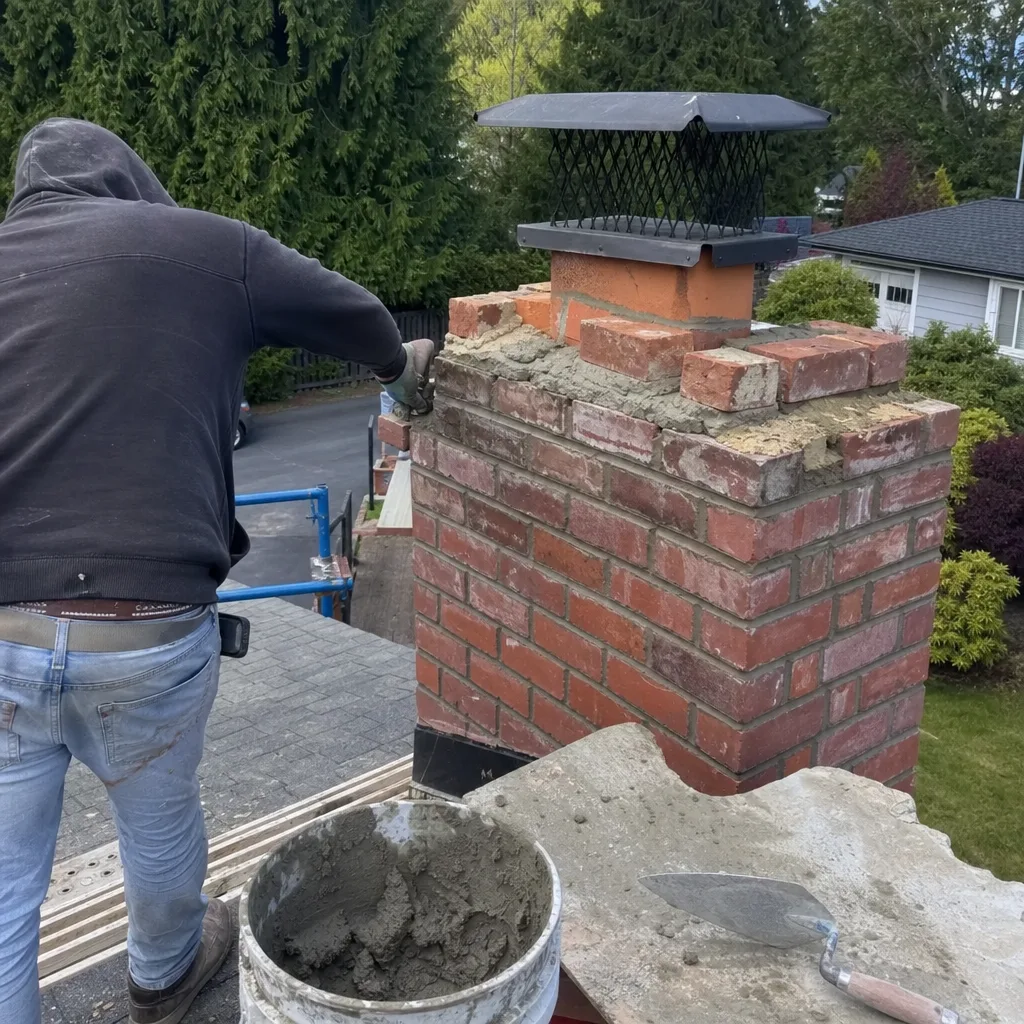
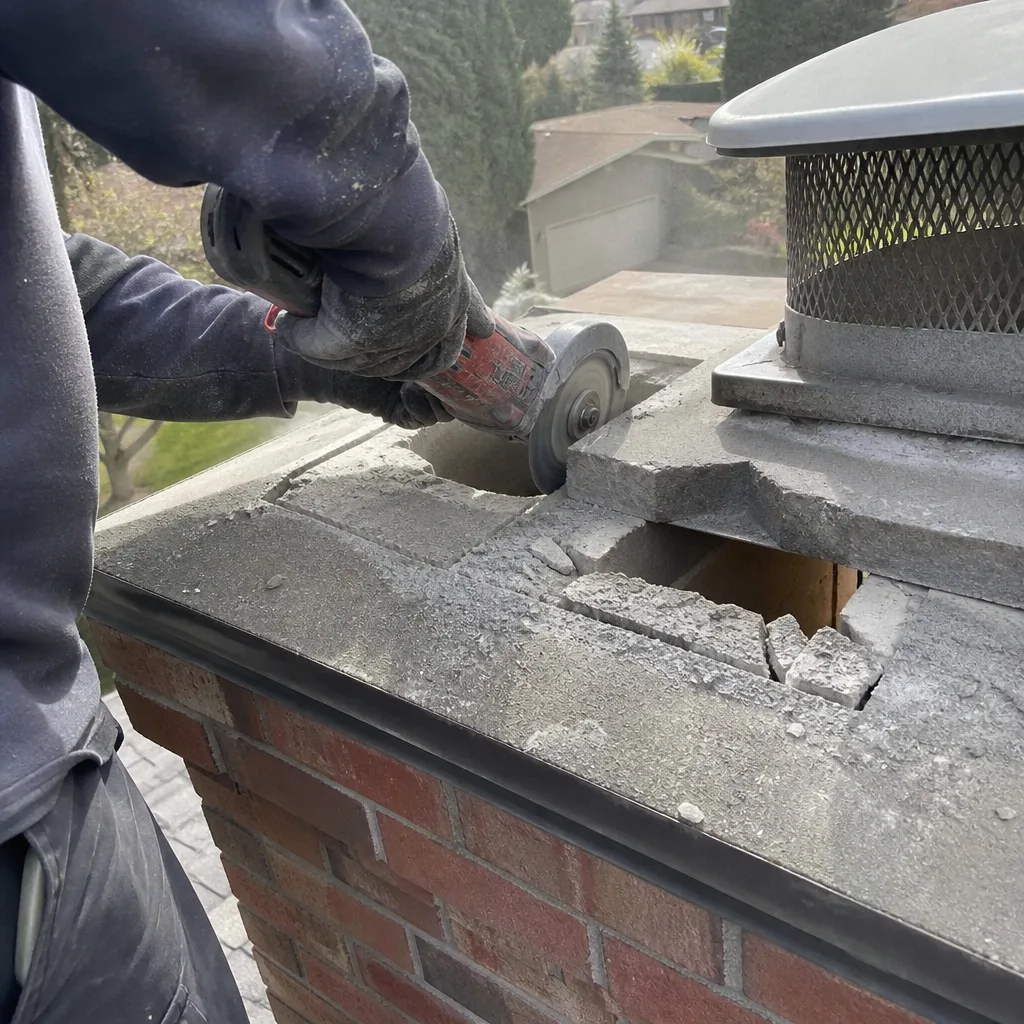
Level 1 sweep and inspection to the NFPA 211 annual standard - flue, crown, cap, and flashing checked and photographed
Chimney sweep logs do not sweep chimneys. They loosen some creosote - which then falls where a brush and vacuum still have to collect it.
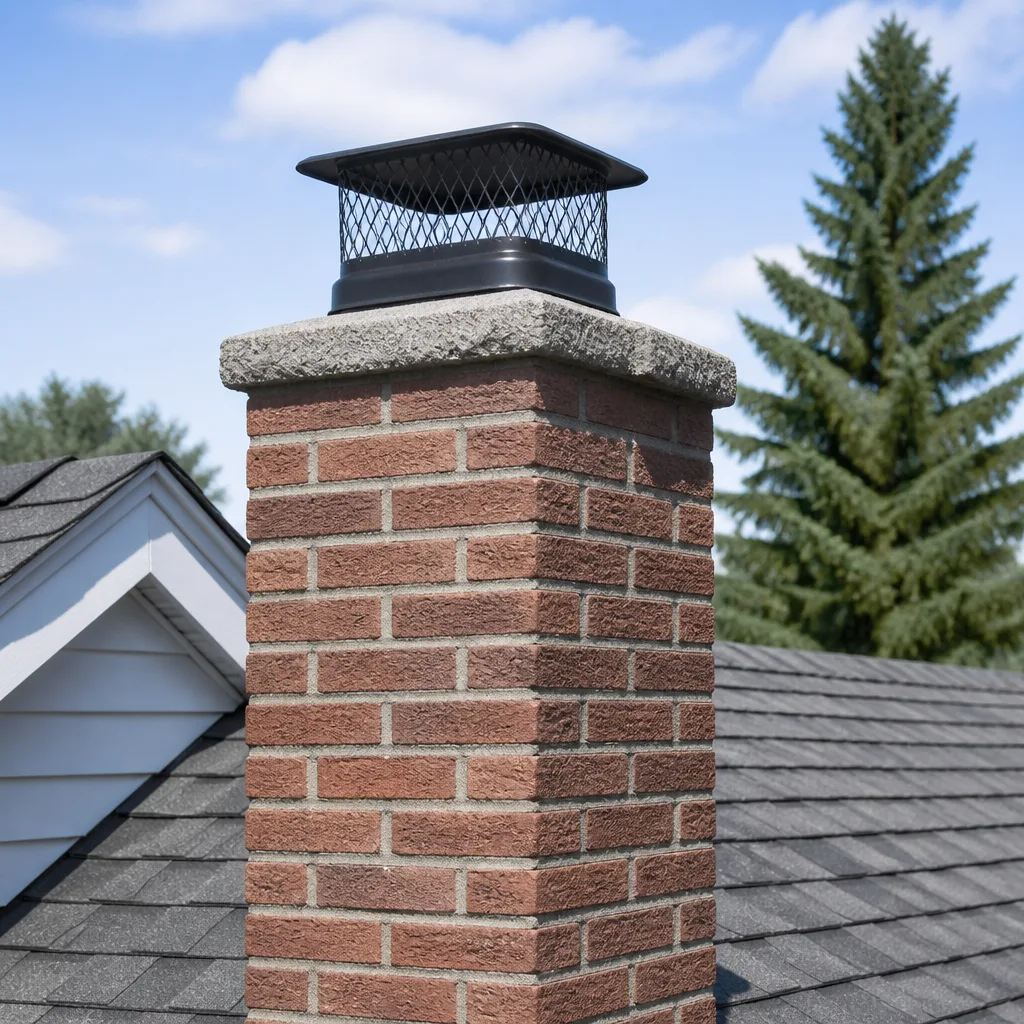
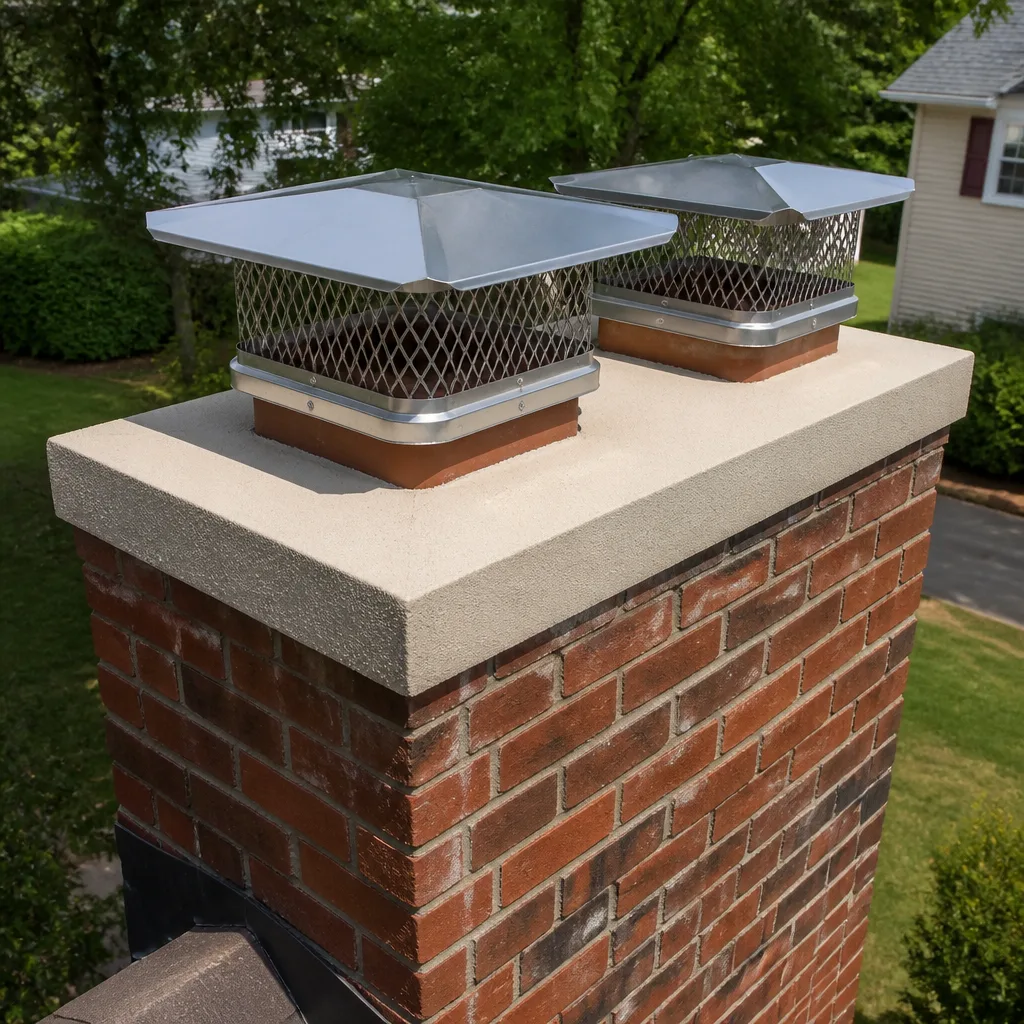
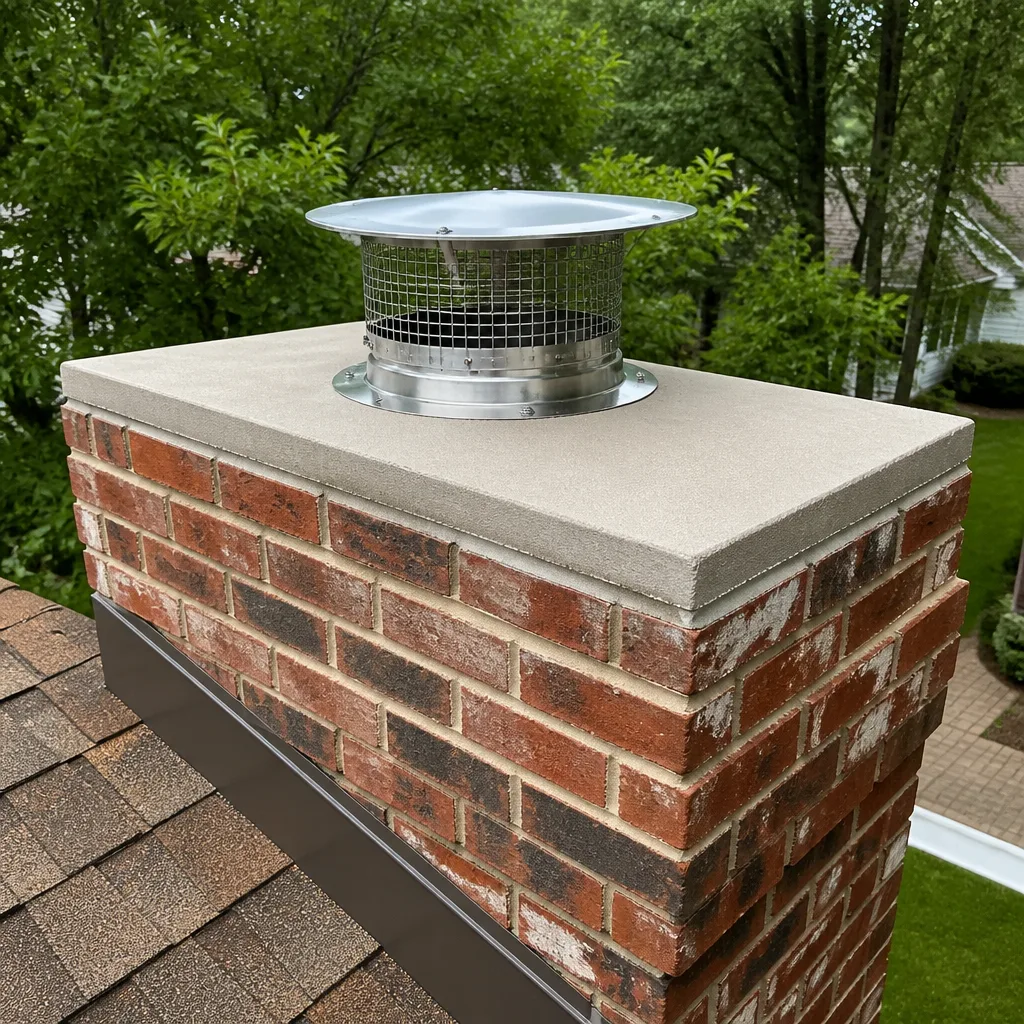
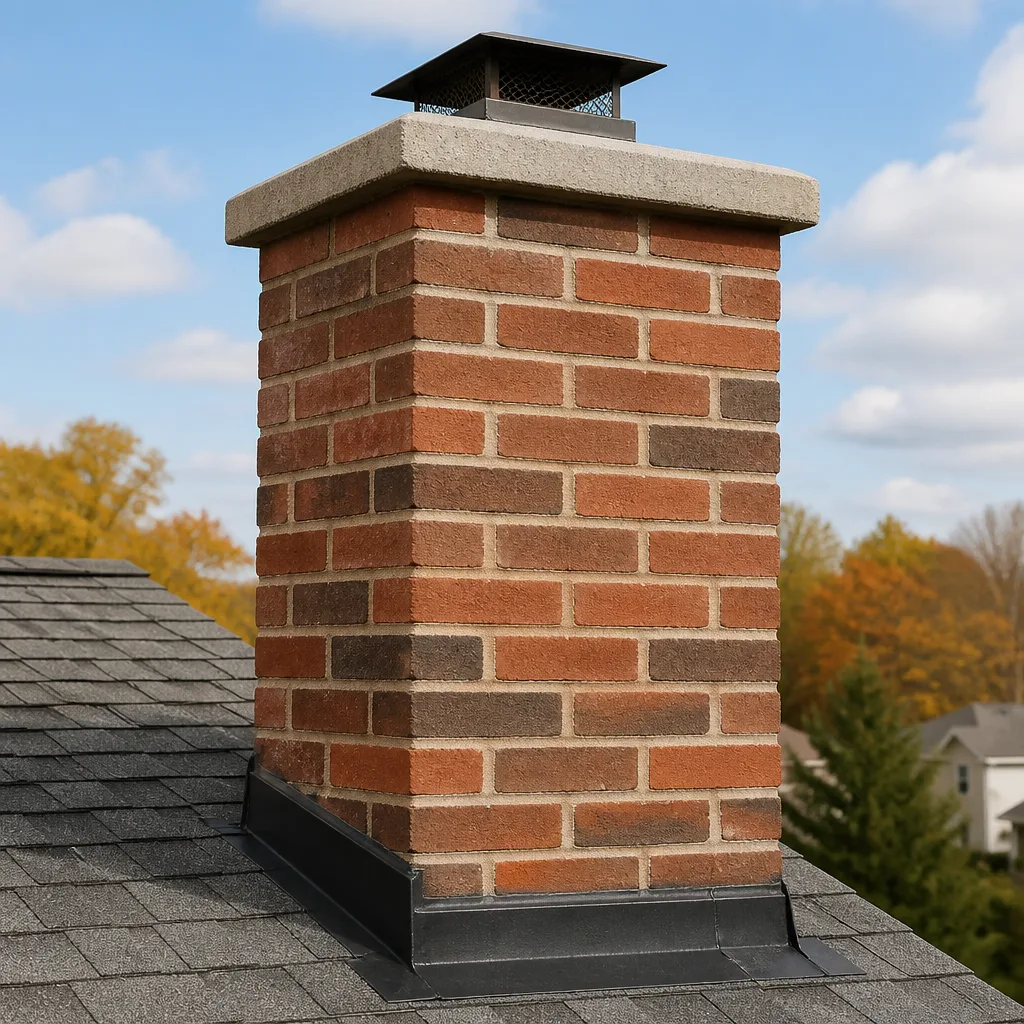
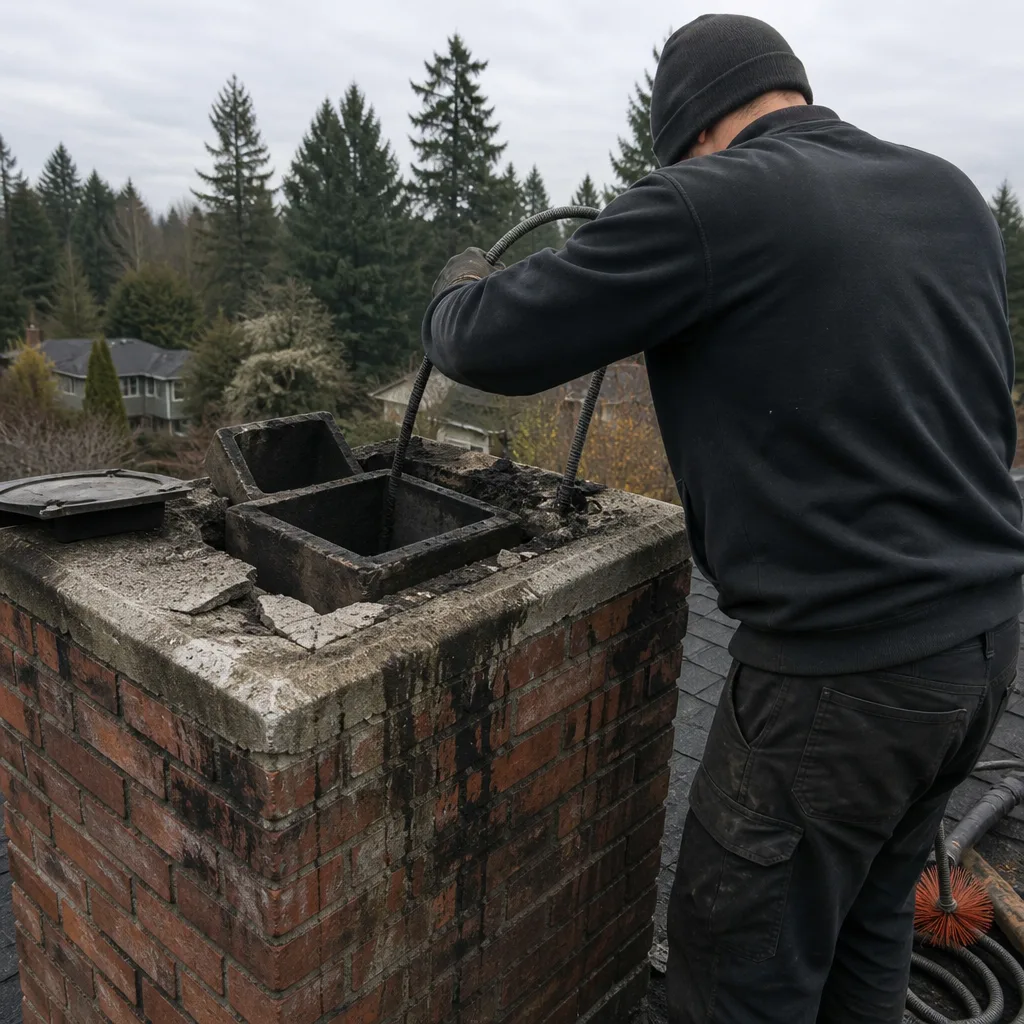 Before
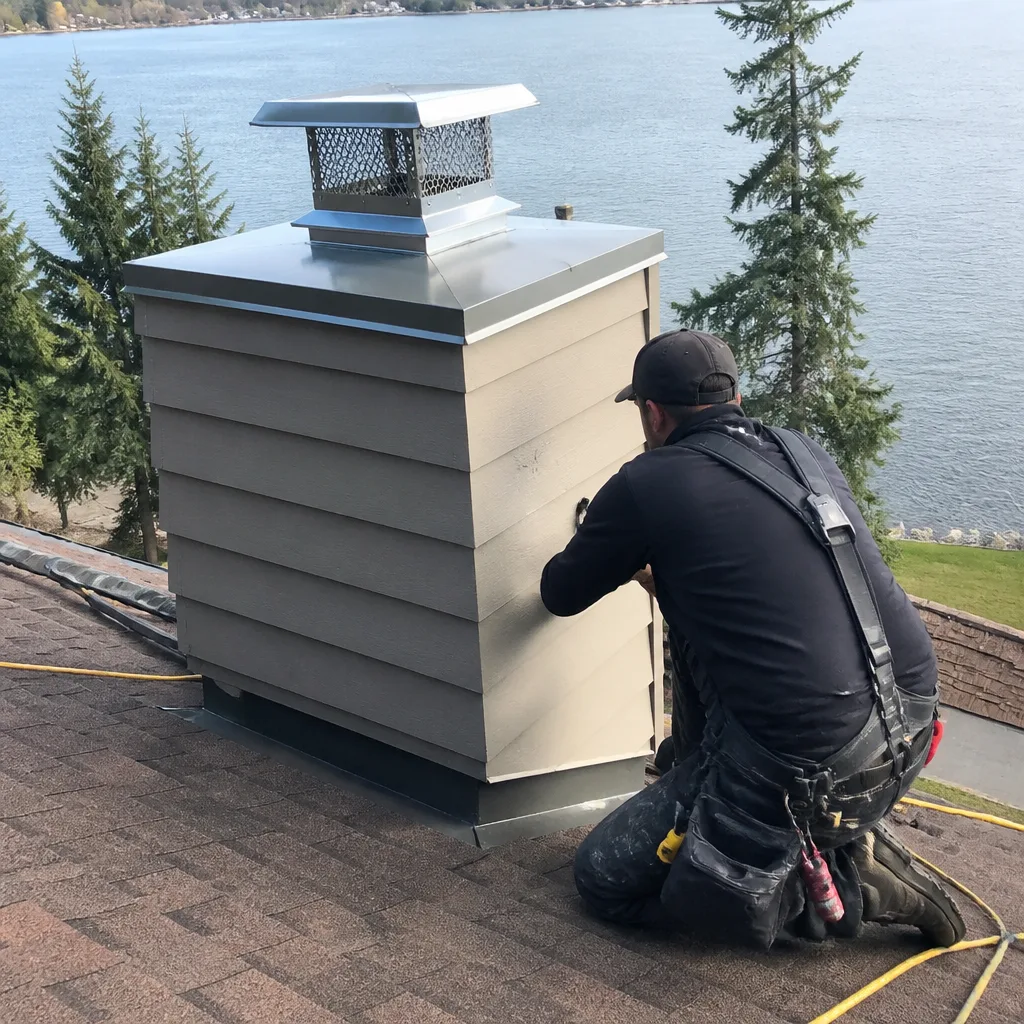 After
After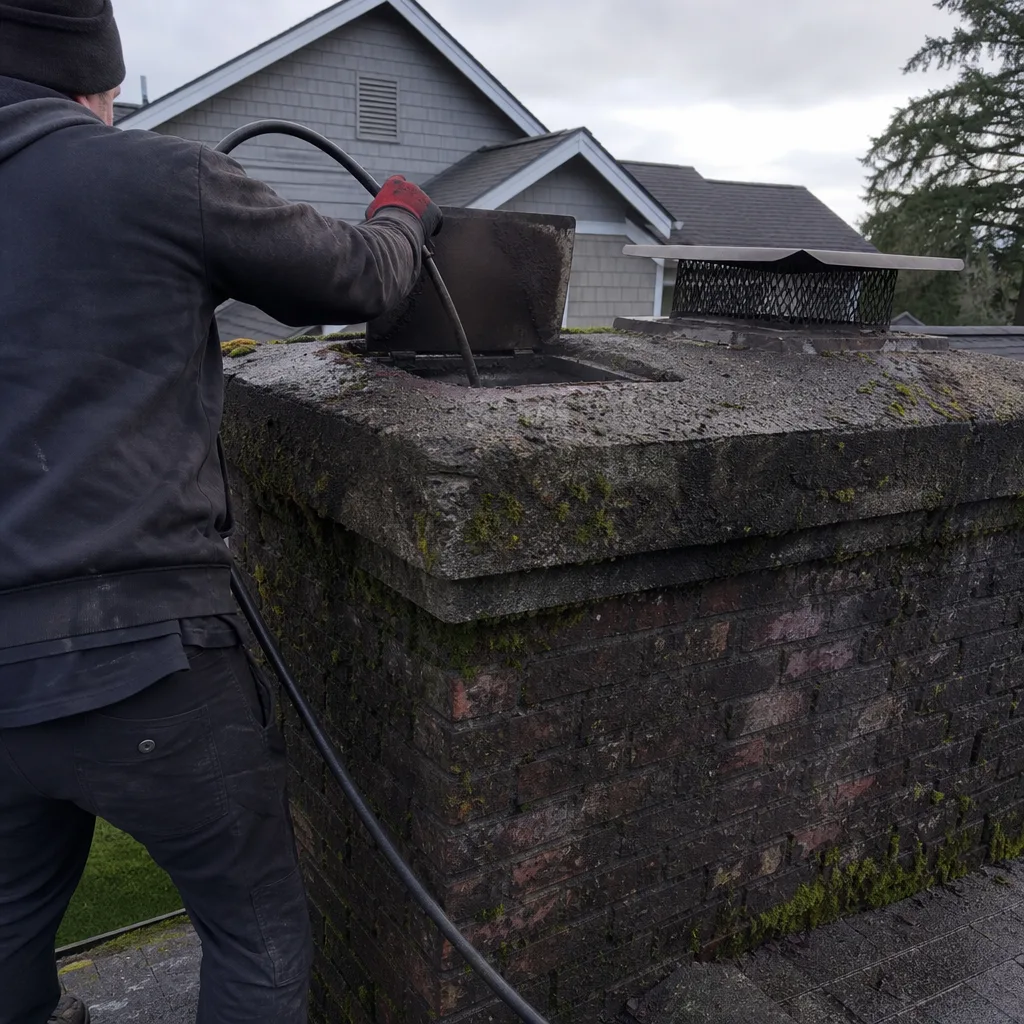 Before
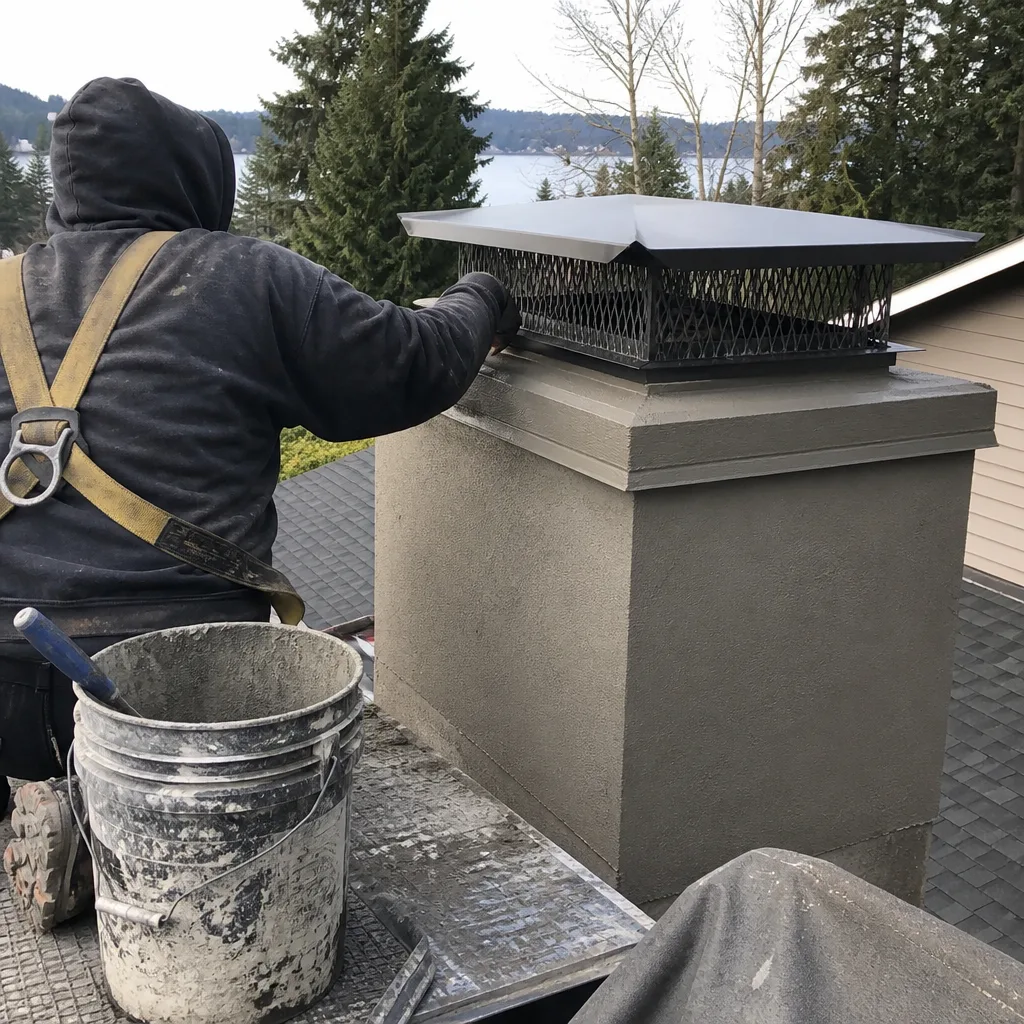 After
After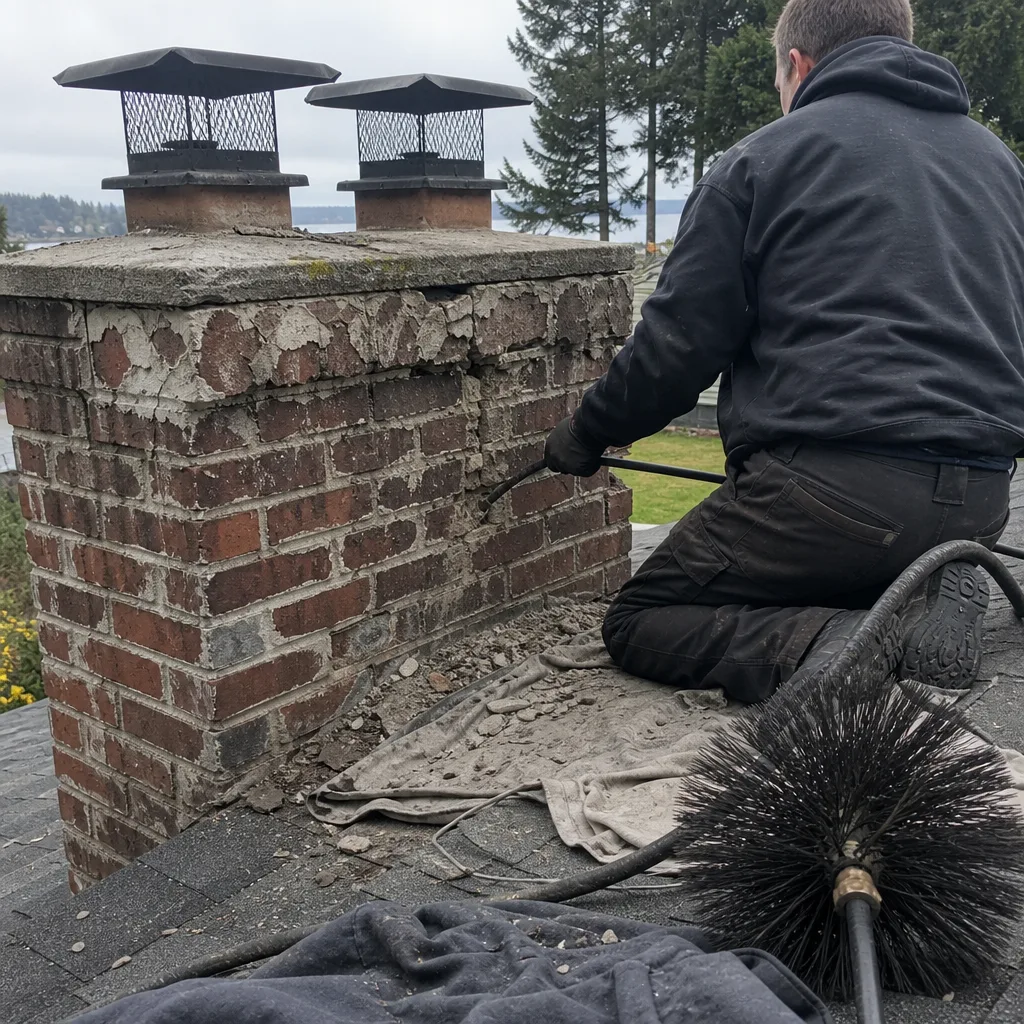 Before
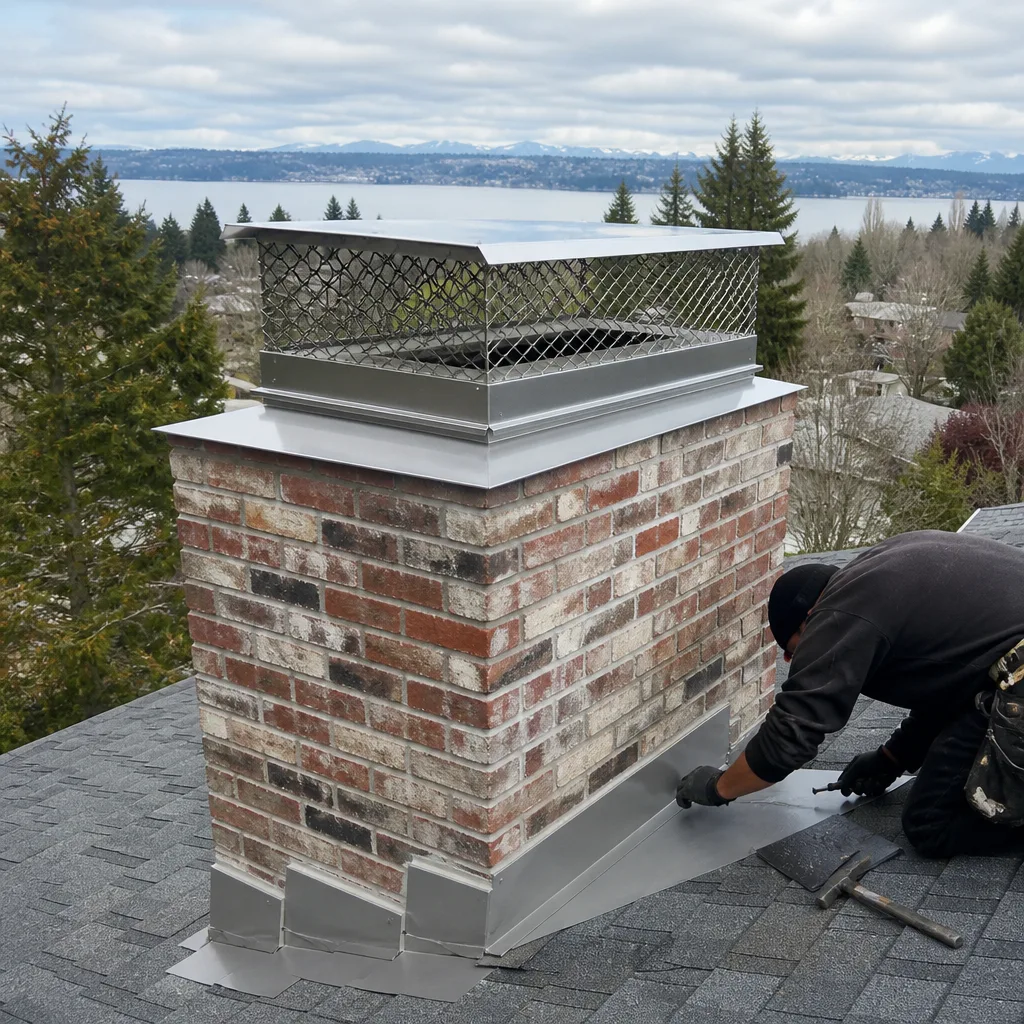 After
AfterDIY vs Professional Chimney Cleaning: The Bellevue Homeowner’s Decision Guide
Here’s the counterintuitive truth most Bellevue homeowners don’t hear until it’s too late: brushing your own chimney is entirely legal, the tools cost less than a dinner out, and the technique takes about twenty minutes to learn. We’ve met plenty of competent DIYers in Crossroads and Bridle Trails who’ve kept their flues reasonably clear for years. The problem isn’t whether you can do it. The problem is what you’re left holding when a home inspector, insurance adjuster, or buyer’s agent asks for documentation of chimney safety. This guide walks through exactly what DIY chimney cleaning accomplishes, what it cannot accomplish, and how to decide which path fits your actual situation in Bellevue - and for how to hire a chimney cleaning contractor in Bellevue when the time comes.
Quick Answer
DIY chimney cleaning removes loose Stage 1 creosote from accessible flue surfaces and works as a supplement between professional visits for frequent fireplace users. It does not produce the camera-scan documentation, liner integrity assessment, or written NFPA 211 Level 2 report that insurers, home buyers, and Bellevue building codes require for liability and compliance purposes. For most Bellevue homeowners, professional cleaning every 12 months ($250-$350) is the baseline; see our chimney cleaning cost breakdown for Bellevue for full pricing context. DIY brushing between visits is reasonable only for experienced users who understand its limits.
Table of Contents
- What DIY Chimney Cleaning Actually Accomplishes
- What DIY Cleaning Cannot Detect or Document
- The Insurance Documentation Problem
- The Real Cost Comparison: DIY Kit vs. Professional Sweep
- When DIY Makes Sense as a Supplement
- How Bellevue’s Climate Affects Your Chimney
- What an NFPA 211 Level 2 Inspection Actually Includes
- Common Mistakes to Avoid
- When to Call a Professional
- Frequently Asked Questions
- The Bottom Line
BeforeAfterWhat DIY Chimney Cleaning Actually Accomplishes
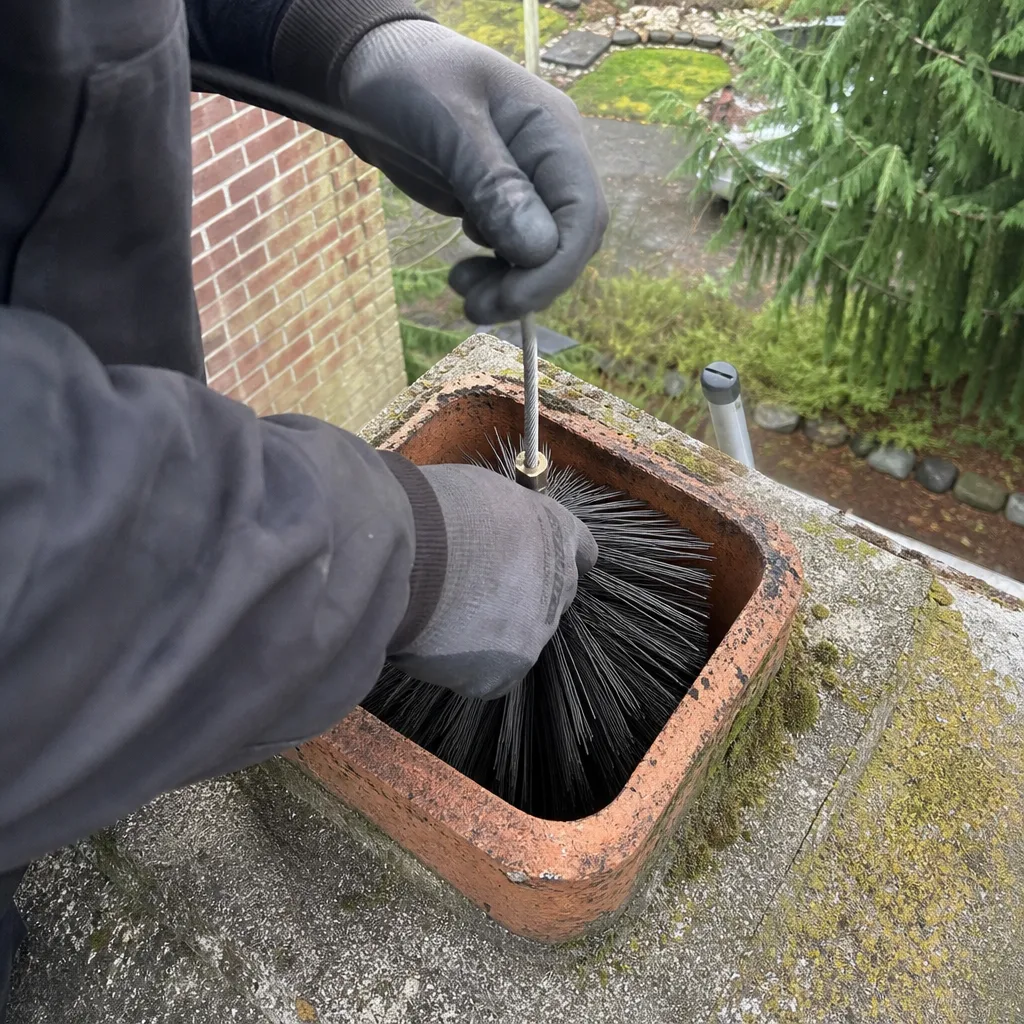
A homeowner with a basic brush-and-rod kit can remove Stage 1 creosote, the fluffy, sooty deposit that accumulates during normal wood burning. Stage 1 brushes off easily. It hasn’t hardened into tar-like Stage 2 or the glazed, rock-hard Stage 3 that requires chemical treatment or mechanical removal. If you’re burning properly seasoned wood, maintaining hot fires, and sweeping regularly, most of what you collect will be Stage 1.
Here’s what the typical DIY process covers:
- Flue brushing from below: A poly or wire brush sized to your flue diameter, attached to flexible rods, pushed up and down through the accessible length of the flue. This dislodges loose deposits.
- Firebox debris removal: Shoveling out ash, checking for cracked firebrick, and clearing the smoke shelf area if reachable.
- Basic visual inspection from below: Looking up the flue with a flashlight for obvious obstructions, heavy buildup, or daylight showing through cracks.
- Damper operation check: Ensuring the damper opens fully, closes tightly, and moves freely. A stuck damper is a common, fixable issue.
- Exterior cap check from ground level: Binoculars can reveal missing caps, obvious damage, or animal nesting.
In our experience across Bellevue, from the older homes near downtown to the newer construction in Eastgate, DIY brushing done carefully and regularly does reduce creosote accumulation. It can extend the interval between professional cleanings for homeowners who burn 2-3 times weekly during season. It is not, however, a substitute for professional evaluation.
The critical limitation: what you cannot see from below. A standard brush reaches only the straight, accessible flue. It doesn’t navigate offsets (angled joints common in older Bellevue homes). It doesn’t reach the smoke chamber above the damper, where creosote often concentrates. And it provides zero information about the flue liner’s interior condition, which is where the serious safety risks live.
What DIY Cleaning Cannot Detect or Document
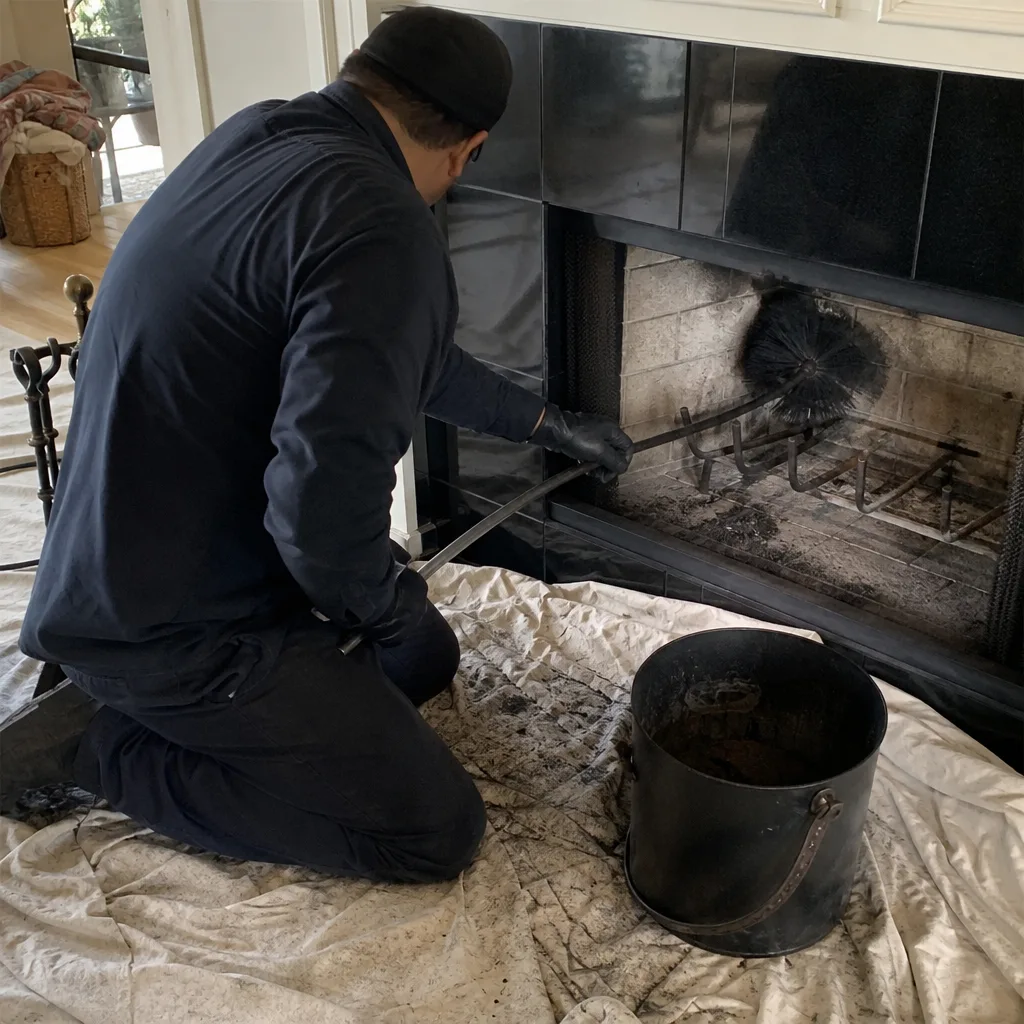
This is where the DIY vs. professional distinction becomes decisive. Every chimney professional in Bellevue has stories of homeowners who brushed religiously, never knowing their liner was cracked or their crown was funneling water into the masonry. We’ve found them ourselves in Newport Hills and Somerset, where owners were meticulous about brushing but hadn’t had a camera inspection in a decade.
Here’s what stays completely invisible to DIY methods:
- Liner crack detection: Clay tile liners crack from thermal shock, settling, or freeze-thaw cycles. A crack can allow combustion gases, including carbon monoxide, to enter wall cavities or living spaces. No brush reveals this. Only a camera scan does.
- Stage 2 and Stage 3 creosote identification: Stage 2 (spongy, tar-like) and Stage 3 (glazed, hardened) creosote don’t brush off. They require rotary mechanical cleaning or chemical treatment. A homeowner brushing regularly may assume the flue is clean because the brush comes down black, missing the hardened deposits clinging to liner walls.
- Offset or blockage location: Chimney offsets, common in pre-1980s Bellevue construction, create corners where debris accumulates. Birds, squirrels, and raccoons nest above the smoke chamber. A brush pushed from below either misses these or jams against them without revealing what’s there.
- Smoke chamber condition: The smoke chamber, the area above the damper that funnels smoke into the flue, is where many chimney fires start. It’s inaccessible from below without specialized tools and from above without removing the chimney top.
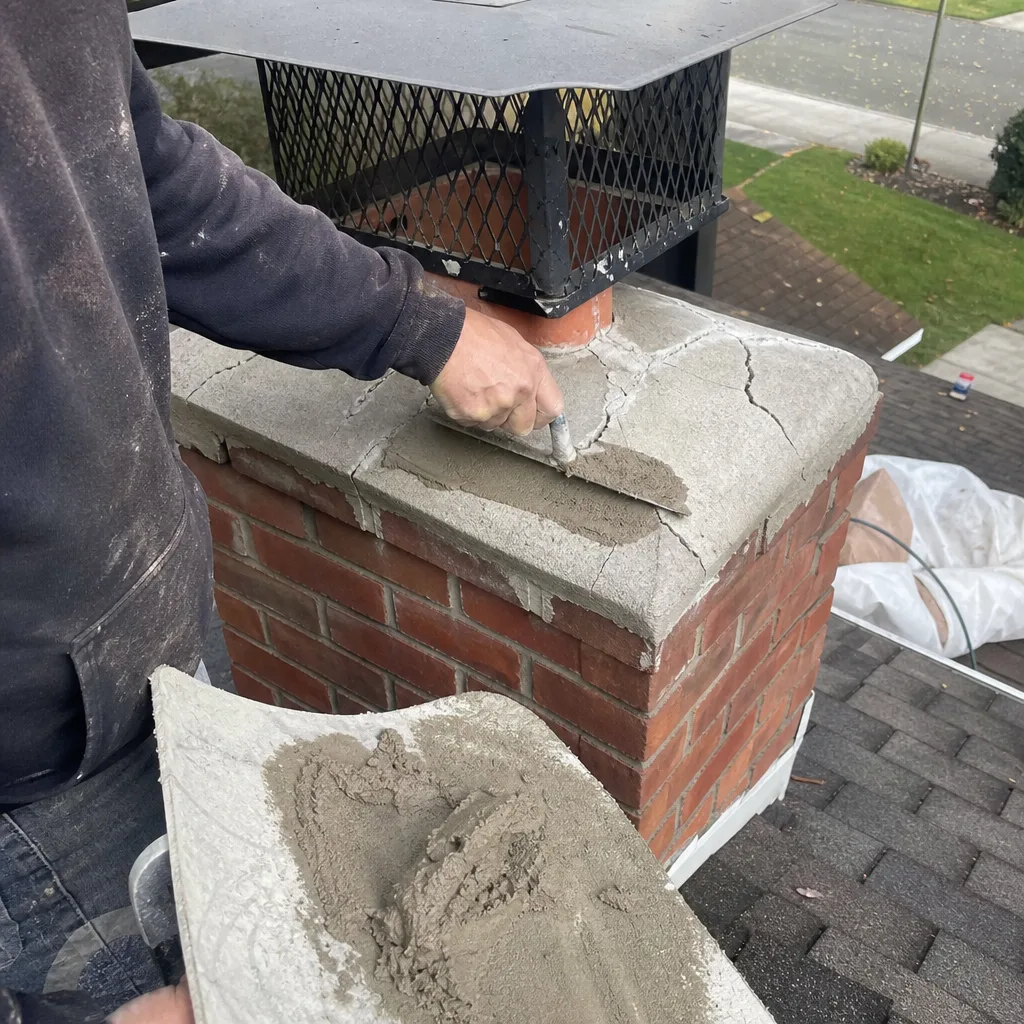
- Cap and crown assessment from above: A crown (the concrete slab topping the chimney) can be cracked and spalling, funneling water directly into the masonry. A cap can be improperly installed, trapping moisture. These require rooftop examination.
- Clearance to combustibles: NFPA 211 specifies minimum distances between chimney components and framing. These can’t be verified without physical measurement during a full inspection.
The documentation gap is equally serious. After a DIY cleaning, you have clean flue walls and a sense of satisfaction. You do not have dated photos, a written condition assessment, or a report that any third party will accept. In our 38,000+ inspections since 2009, we’ve seen the consequences when that documentation gap becomes a problem.
The Insurance Documentation Problem
This is the point most DIY guides omit entirely, and it’s the one that can cost Bellevue homeowners tens of thousands.
Most homeowner insurance policies contain a maintenance and care clause regarding chimney-related fire claims. The language varies, but the substance is consistent: the insurer expects evidence that the chimney was maintained according to manufacturer and industry standards. “I brushed it myself every fall” does not satisfy this requirement. “I have a dated NFPA 211 Level 2 inspection report with photo documentation” does.
We’ve reviewed claim denials where the adjuster cited lack of professional inspection records. In one case near Lake Hills, a homeowner with a meticulously maintained hearth lost a $47,000 claim because their only “documentation” was a hardware store receipt for a brush kit. The fire originated in a cracked flue liner that DIY brushing could not have detected and that no professional had ever documented.
The documentation standard insurers increasingly expect matches what we deliver under Chimney Cleaning & Sweep in Bellevue: a written scope of work, dated photo record, and condition assessment. Clause 4 of the Haven Standard requires this documentation on every job, running continuously since 2009. It’s not an add-on. It’s the baseline.
For Bellevue homeowners planning to sell, the documentation issue intensifies. Buyer’s inspectors routinely request chimney inspection records. A home with a documented professional inspection history commands confidence. One without it becomes a negotiation point, or a deal delay, or a requirement that the seller pay for inspection and any needed repairs under time pressure.
The Real Cost Comparison: DIY Kit vs. Professional Sweep
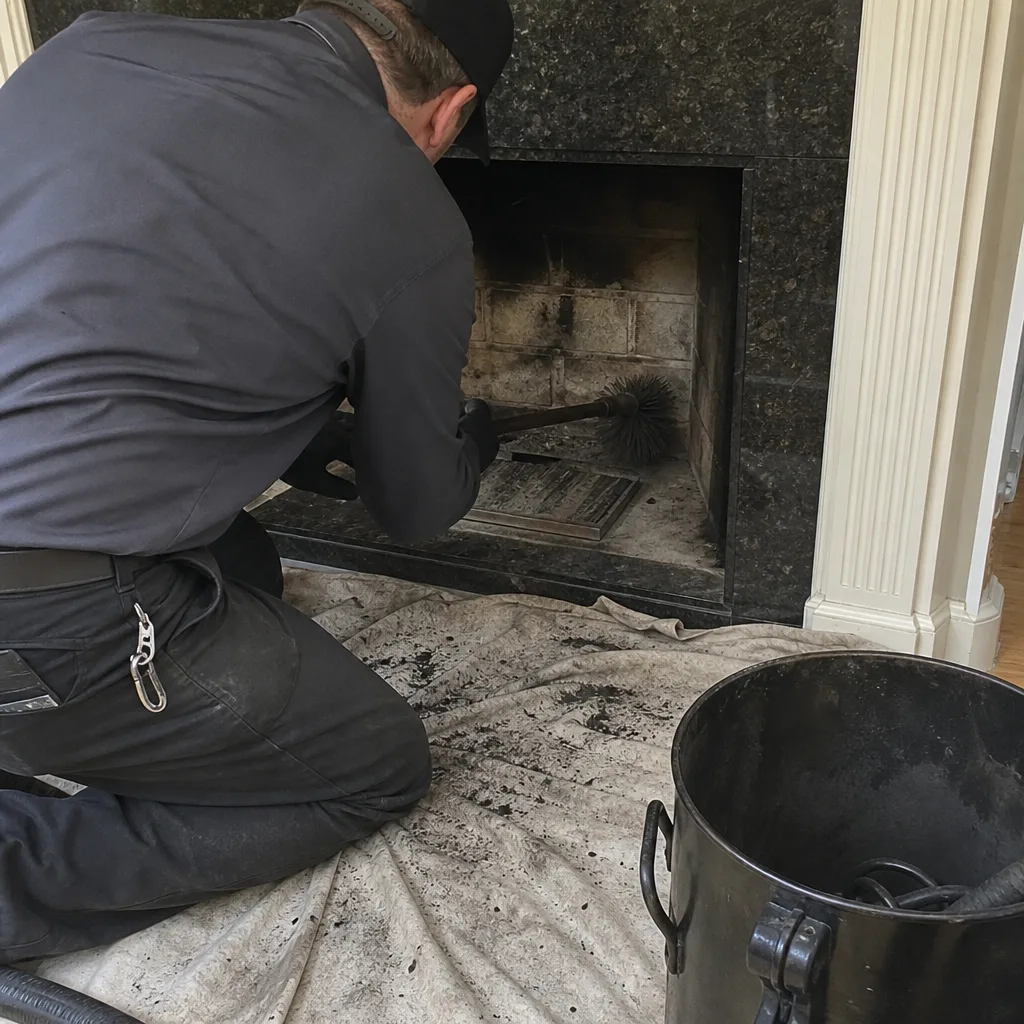
The surface math favors DIY dramatically. A brush-and-rod kit runs $80-$120. A professional NFPA 211 Level 2 sweep in Bellevue typically runs $250-$350. On a single-year basis, DIY appears to save $150-$250.
That math collapses when you factor what the professional service includes and what the DIY approach risks missing.
| Cost Element | DIY Kit ($80-$120) | Professional Level 2 Sweep ($250-$350) |
|---|---|---|
| Stage 1 creosote removal | Included | Included |
| Stage 2/3 creosote identification | Not possible | Included with treatment recommendation |
| Camera scan of flue liner | Not included | Included (Clause 4, Haven Standard) |
| Liner crack/blockage detection | Not possible | Included with photo documentation |
| Crown, cap, exterior condition | Ground-level visual only | Rooftop inspection included |
| Written report with photos | None | Included, dated, archived |
| Insurer-accepted documentation | No | Yes |
| Carbon monoxide safety check | Not possible | Included |
Now consider the downside scenarios. A missed liner crack leads to a chimney fire or CO intrusion. Replacement liner cost in Bellevue: $2,500-$7,000 depending on height, diameter, and access. An insurance claim denied for lack of professional inspection documentation: potentially the full fire damage cost, often $20,000-$100,000+. A home sale delayed or renegotiated over missing inspection records: unpredictable, rarely favorable to the seller.
The professional sweep isn’t an expense in isolation. It’s risk mitigation with a documented return. For homeowners who burn frequently, the annual cost amortizes to roughly $20-$30 per month of active fireplace use.
When DIY Makes Sense as a Supplement
We’re not opposed to competent homeowners maintaining their own equipment. We’ve said so directly to customers in Wilburton and Woodridge. There are specific situations where DIY brushing between professional visits is reasonable and even advisable.
Frequent burners with recent professional baseline: If you’ve had a full Level 2 inspection within 12 months that found Stage 1 creosote only, no liner issues, and good overall condition, brushing mid-season can reduce buildup. The key is having that baseline. Without it, you’re brushing blind.
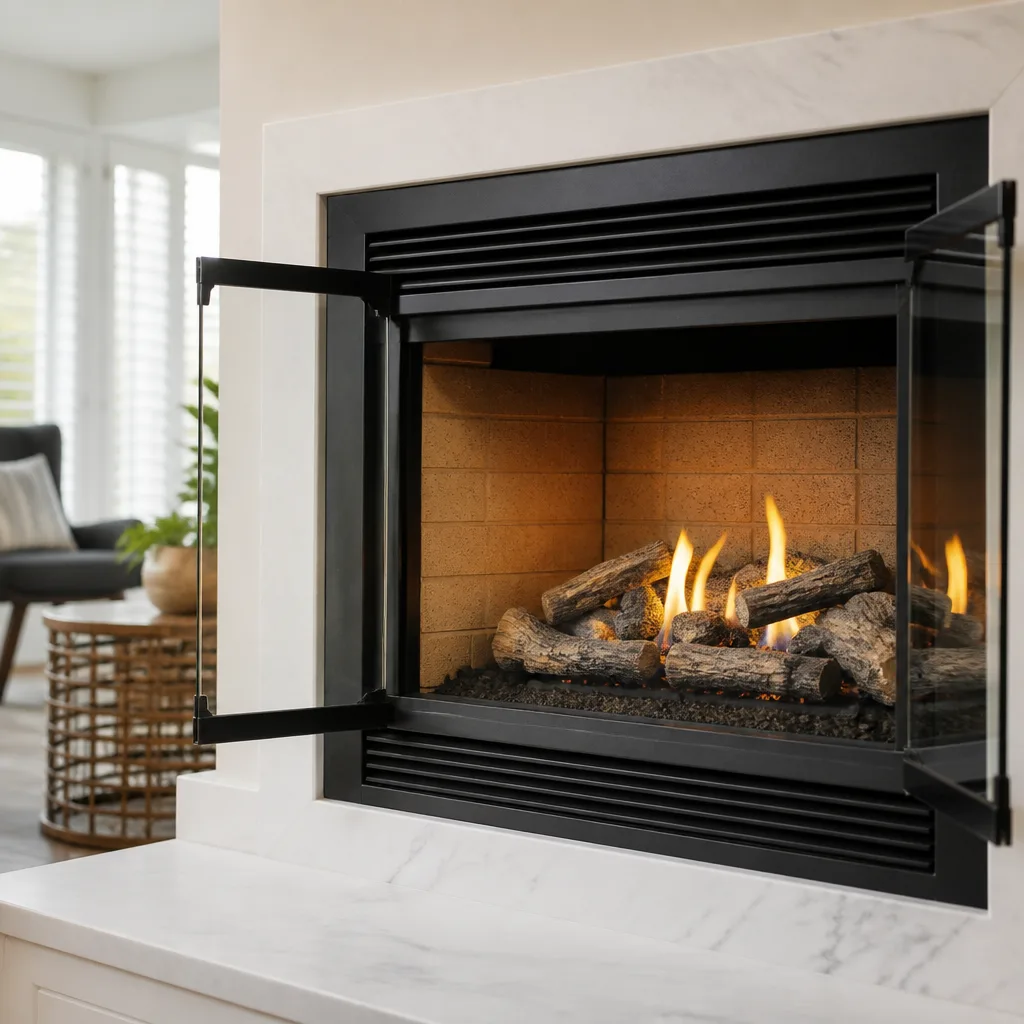
Gas fireplace glass and exterior cleaning: Gas units don’t produce creosote, but glass doors accumulate residue and vents need debris clearance. Homeowners can safely clean glass with appropriate cleaner, check pilot operation, and ensure exterior vents are unobstructed. This is maintenance, not inspection.
Damper lubrication and basic mechanical care: A stuck or noisy damper often responds to high-temperature lubricant and debris removal. This is accessible, low-risk work for a competent homeowner.
Visual checks you can actually perform: After a professional has established baseline condition, you can monitor for changes: new staining on exterior masonry, water in the firebox, animal sounds, or draft changes. These observations help you decide when to call for re-inspection.
What DIY never replaces: the periodic professional evaluation that finds what you cannot find, documents what you cannot document, and satisfies the third-party requirements you’ll face if something goes wrong. We recommend professional service annually for wood-burning systems, every 2-3 years for gas systems with professional inspection, with DIY maintenance only in between for those comfortable with the work.
How Bellevue’s Climate Affects Your Chimney
Bellevue’s specific climate patterns create chimney conditions that DIY brushing alone cannot address. Understanding these local factors - and our seasonal chimney cleaning care for Bellevue - helps explain why professional evaluation matters here in particular.
Marine moisture and freeze-thaw cycles: Our wet winters and occasional hard freezes accelerate masonry deterioration. Water penetrates crown cracks or failed flashing, freezes, expands, and spalls brick and mortar. A homeowner brushing from below has no window into this process until water appears in the firebox or exterior damage becomes visible. By then, repair costs have multiplied.
Coniferous wood burning patterns: Many Bellevue homeowners burn Douglas fir, cedar, and pine from local tree services. These softwoods produce more creosote than hardwoods when not fully seasoned. The resulting faster buildup means Stage 2 and Stage 3 creosote develop more quickly than in regions where hardwood predominates. DIY brushing misses this acceleration.
Wind-driven rain exposure: Homes in exposed locations, particularly in Somerset and the Lake Hills areas, take more direct wind and rain on chimney structures. Cap and crown condition deteriorates faster. Ground-level visual checks don’t catch early-stage crown cracking that professional rooftop inspection reveals.
Older housing stock with unlined chimneys: Pre-1960s homes in Bellevue’s original neighborhoods may have unlined brick chimneys or original clay liners now past service life. These require careful evaluation that no brush kit provides. We’ve found unlined chimneys still in use in neighborhoods where owners assumed a liner was present because “the fireplace works fine.”
The local climate doesn’t make DIY brushing pointless. It makes the professional inspection that finds climate-specific damage more essential, not less.
What an NFPA 211 Level 2 Inspection Actually Includes
The NFPA 211 standard defines three inspection levels. Level 1 is visual, from accessible areas, without tools. Level 2 adds camera scan and accessible-area examination. Level 3 involves demolition of building components and is reserved for suspected hazards requiring full exposure.
Emberly Chimney Cleaners performs Level 2 as our default, included on every visit, because Level 1 misses too much that matters. Here’s what it entails:
- Interior flue camera scan: A high-resolution camera on a flexible rod travels the full flue length, recording video and still images of liner condition, joints, offsets, and deposits. We document every foot. This is Clause 4 of the Haven Standard, practiced since 2009.
- Smoke chamber examination: Visual and tactile inspection of the area above the damper, where many fires originate. We check for proper parging (smooth surfacing), clearance issues, and creosote accumulation.
- Firebox and hearth inspection: Cracked firebrick, deteriorated mortar, proper clearances, and structural integrity.
- Exterior examination from roof level: Crown condition, cap installation and function, flashing integrity, brick and mortar condition, and proper height relative to roofline and nearby structures.
- Appliance connection check: Proper clearances, connector pipe condition, and draft performance.
- Written documentation: A dated report with findings, recommendations, and photo record. Delivered before any repair work is discussed or priced.
This is the inspection standard that Emberly Chimney Cleaners Bellevue home has maintained since founding. It’s what your insurer expects if you ever need to demonstrate proper maintenance. It’s what a buyer’s inspector will ask for. And it’s what no DIY kit, however diligently used, can replicate.
Materials we use when repair is needed come through Haven’s buying network: DuraFlex stainless liners, HeatShield cerfractory resurfacing for smoke chamber restoration, Gelco and Olympia Chimney caps and components, Famco and Copperfield accessories. These aren’t generic alternatives. They’re specified to match the condition we document and to carry warranties that matter.
Common Mistakes to Avoid
- Assuming a clean brush means a clean flue: Stage 2 and Stage 3 creosote don’t brush off. A brush coming down dirty confirms Stage 1 removal; a brush coming down relatively clean may mean nothing if hardened deposits remain adhered to liner walls.
- Using the wrong brush material: Poly brushes are for metal liners; wire brushes for masonry. Using wire on stainless steel scratches and damages the liner. We’ve found this damage in Bellevue homes where well-meaning owners used whatever the hardware store stocked.
- Neglecting the smoke chamber: The area above the damper is invisible from below and inaccessible to standard brushes. It’s also where many chimney fires start. Professional evaluation with proper tools is the only way to assess it.
- Ignoring the “it works fine” trap: A fireplace that drafts and burns doesn’t indicate liner integrity, proper clearances, or safe condition. Carbon monoxide doesn’t announce itself. We’ve found critical hazards in systems that “worked fine” until we camera-scanned them.
- Skipping professional inspection after a chimney fire: Even a small, self-extinguished chimney fire can crack liners, damage mortar, and create hidden hazards. DIY inspection after such an event is inadequate and dangerous. Professional evaluation is mandatory.
- Buying cheap equipment and calling it sufficient: Bargain brush kits often have poorly attached heads that separate in the flue, rods that jam in offsets, or bristles that shed and create obstructions. The savings evaporate when you pay to retrieve a stuck brush head.
- Failing to document anything: If you do perform DIY maintenance, at minimum photograph the process, date the images, and keep receipts. This provides weak but better-than-nothing evidence of attention. It still won’t satisfy insurers or inspectors, but it beats “I just did it, trust me.”
When to Call a Professional
Call for professional evaluation when: you haven’t had a Level 2 inspection in 12+ months; you burn more than 3 times weekly during season; you’ve changed fuel type or appliance; you’ve had a chimney fire or even suspected one; you’re buying or selling a home; you notice draft changes, odors, or visible damage; or your insurer or HOA requests documentation.
In Bellevue’s climate, with our moisture exposure and mixed housing stock, annual professional inspection is the prudent baseline for wood-burning systems. Gas systems can stretch to 2-3 years with professional inspection, though annual is still advisable for heavily used fireplaces.
Chimney Repair in Bellevue and full evaluation services are available through Emberly Chimney Cleaners Bellevue. We offer free estimates, a Free Second Opinion on any competitor’s written quote, and the 365-Day Done Right Promise on all work. Call (425) 696-0387 to schedule or discuss your specific situation.
Frequently Asked Questions
A professional NFPA 211 Level 2 chimney sweep and inspection in Bellevue typically costs $250-$350, which includes the camera scan, photo documentation, and written report. Repair work, if needed, is quoted separately in writing before any work begins. Call (425) 696-0387 for an exact quote - estimates are free.
DIY cleaning alone does not produce the professional inspection documentation most insurers require for chimney-related fire claims. While your policy may not be “invalidated,” a claim can be denied for lack of evidence that the chimney was maintained to NFPA standards. A professional inspection with written report provides the documentation insurers expect.
The NFPA recommends annual inspection for all chimney systems, with cleaning frequency based on creosote accumulation. In Bellevue’s wet climate, where softwood burning is common and moisture accelerates deterioration, annual professional evaluation is the prudent standard for wood-burning systems. Gas fireplaces can be inspected every 2-3 years with professional service.
Skipped maintenance allows creosote to accumulate, increasing chimney fire risk. Moisture intrusion goes undetected, accelerating masonry and liner deterioration. Carbon monoxide hazards from cracked liners or blocked flues develop silently. And if a fire or CO incident occurs, you lack the documentation to support an insurance claim or demonstrate due diligence. The cumulative risk far exceeds the cost of annual professional service.
A legitimate liner recommendation comes with camera evidence you can see for yourself, not a verbal claim. At Emberly Chimney Cleaners Bellevue, we show you the footage, explain what the code requires, and note when work can safely wait versus when it cannot. Our Free Second Opinion on any written estimate lets you verify. Nothing is recommended without documentation under Clause 4 of the Haven Standard.
The brushing itself is low-risk for competent homeowners using proper equipment. The danger lies in what DIY cannot detect: cracked liners, blocked offsets, or deteriorated smoke chambers that create fire and CO hazards. Additionally, rooftop work to inspect caps and crowns carries fall risk that most homeowners shouldn’t undertake. For the inspection that actually ensures safety, professional evaluation is essential.
The Bottom Line
DIY chimney cleaning is a reasonable supplement for experienced homeowners with a recent professional baseline, not a substitute for professional evaluation. The brush removes Stage 1 creosote; it does not detect liner cracks, Stage 2/3 buildup, or moisture damage. It produces no documentation that insurers, buyers, or codes accept. In Bellevue’s wet, freeze-thaw climate, with our mixed housing stock and softwood burning patterns, the professional inspection that finds what brushing misses is the critical service. The annual cost ($250-$350) is minor against the replacement cost of a liner or a denied insurance claim. Get the professional baseline, maintain with DIY if you’re comfortable, and never let the supplement replace the standard. For more guides & resources on chimney care, explore our blog.
For Fireplace Services in Bellevue including full Level 2 inspection, documented photo records, and written pricing before any work starts, contact Emberly Chimney Cleaners Bellevue. We’ve completed more than 38,000 chimney inspections and cleanings since 2009, every one with a written price before work began and a documented record when done.
Written by Corrine Halstead, Owner at Emberly Chimney Cleaners Bellevue, serving Bellevue since 2009.